

Parking Lot Accident Liability After an Injury
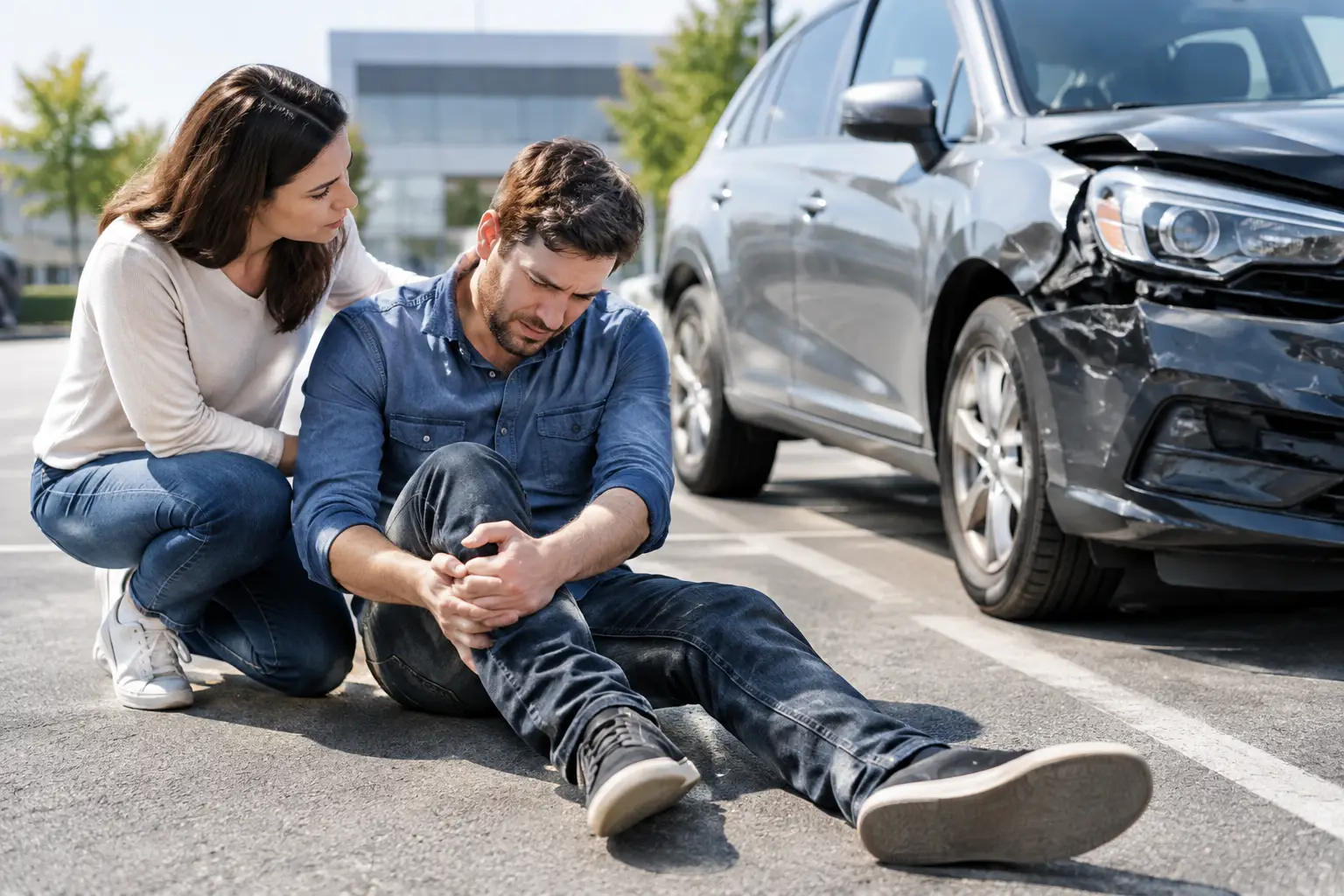
A collision in a parking lot can leave you hurt, shaken, and facing an insurance company that quickly suggests no one is really responsible. That is not how parking lot accident liability works in Texas. Although these crashes often happen at lower speeds, they can still cause serious injuries, especially when a driver backs up without looking, cuts across lanes, or strikes a pedestrian.
Fault depends on the facts, the available evidence, and the actions each person took before impact. If another driver or property owner failed to use reasonable care, you may have the right to pursue compensation for medical expenses, lost income, pain, and other losses. The details matter from the first moments after the crash.
Why parking lot crashes are not automatically shared-fault cases
Insurers often treat parking lot collisions as if both drivers must be equally responsible. Sometimes both parties do share blame. But a parking lot is not a fault-free zone, and a driver does not get a pass simply because the crash occurred near a store, apartment complex, school, or office building.
Drivers still have a duty to pay attention, yield when required, follow posted signs, control their speed, and watch for people walking to and from parked vehicles. A driver who is distracted, moving too quickly for conditions, or backing out without checking for traffic may be fully or mostly responsible.
Texas follows a proportionate responsibility system. That means a person’s recovery can be reduced by the percentage of fault assigned to them. If an injured person is found more than 50 percent responsible, they generally cannot recover damages from the other responsible party. Because insurers may use this rule to shift blame, strong evidence is especially valuable.
Common situations that affect parking lot accident liability
The question is rarely just, “Who hit whom?” The direction of travel, right-of-way rules, vehicle positioning, visibility, and parking lot layout can all affect liability.
A driver backing out of a space
A driver leaving a parking space must make sure the path is clear before backing up. When one vehicle is traveling through an aisle and another is reversing from a space, the backing driver is often the party with greater responsibility. Still, the moving driver may face questions if they were speeding, using a phone, or otherwise not paying attention.
Two vehicles backing out at the same time can create a more complicated dispute. Each driver has a duty to watch where they are going. The evidence may show shared responsibility, or it may show that one driver had a clearer opportunity to avoid the impact.
Collisions at parking lot intersections
Many lots have stop signs, yield signs, arrows, or marked travel lanes. Ignoring one of these controls can be powerful evidence of negligence. Even where signs are missing, drivers must proceed cautiously through intersections and yield when another vehicle has the right-of-way.
A driver cutting across empty parking spaces may also create danger for vehicles properly traveling in marked lanes. Photos of the scene can help establish where each vehicle was moving and whether a driver disregarded the intended traffic flow.
Pedestrians struck while walking
People walking through parking lots are vulnerable because vehicles may pull out, turn suddenly, or move through areas with obstructed sightlines. A driver must remain alert for pedestrians, particularly near entrances, crosswalks, cart areas, and accessible parking spaces.
A pedestrian’s actions can be examined as well, but drivers cannot simply claim they did not see someone and avoid responsibility. Visibility, lighting, vehicle speed, security footage, and witness accounts can all help show what occurred.
Hazards created by the property owner
Sometimes the responsible party is not another driver. A parking lot owner, manager, or other party responsible for maintenance may be liable when an unsafe condition contributes to an injury. Poor lighting, broken pavement, missing traffic signs, unmarked hazards, or dangerous design conditions can make a crash more likely or worsen its consequences.
These claims require proof that the responsible party knew or reasonably should have known about a dangerous condition and failed to address it. Evidence can disappear quickly when repairs are made or surveillance footage is overwritten, so prompt action matters.
Evidence can decide a parking lot injury claim
A parking lot collision may occur in seconds, but the investigation should not stop there. What you do after an injury can protect your ability to show fault and the full impact of your losses.
If you are able, call law enforcement and make sure the incident is documented. Obtain the other driver’s identifying and insurance information, but avoid arguing about fault at the scene. Take photographs of the vehicle positions, traffic signs, lane markings, damage, lighting conditions, skid marks, and the broader layout of the lot.
Look for witnesses and ask for their names and contact information. A neutral witness can be particularly helpful when the other driver changes their account later. Also ask whether nearby businesses or the property manager have cameras that may have recorded the collision. Footage may be deleted within days, so it should be requested quickly.
Seek medical attention promptly and follow through with recommended care. Some injuries are not fully apparent immediately after a crash, and delays can give an insurer room to argue that the injury was unrelated or less severe than claimed. Keep records of symptoms, missed time from work, medical visits, and how the injury has affected daily life.
Do not let an insurer define the facts for you
An insurance adjuster may sound helpful while seeking statements that limit the company’s financial exposure. Be careful about giving a recorded statement or accepting an early settlement before you understand the nature of your injuries and the available evidence.
The insurer may argue that a parking lot has no established right-of-way, that the collision was unavoidable, or that you were partly at fault. Those arguments may not match the actual facts. A careful review of photographs, footage, witness statements, vehicle damage, and the property conditions can tell a more complete story.
Compensation in a successful claim may include treatment costs, future medical needs, lost earnings, reduced ability to earn income, physical pain, emotional distress, and damage to your vehicle. The value of a case depends on the severity of the injuries, the strength of the proof, available coverage, and the degree of fault involved.
When to speak with a Texas injury attorney
You should consider legal guidance when your injuries are significant, fault is disputed, multiple parties may be responsible, or an insurer is pressuring you to settle. These cases can become more difficult when a business property, commercial vehicle, pedestrian injury, or inadequate property maintenance is involved.
An attorney can investigate the collision, preserve important evidence, identify all potentially responsible parties, calculate your losses, and handle insurer communications while you focus on your recovery. At Feizy Law Office, injured Texans receive direct, determined advocacy from a team prepared to pursue accountability when negligence causes harm.
Protecting your rights after a parking lot crash
Parking lot accident liability is not decided by assumptions or by whichever driver speaks first to an insurance company. It is decided by evidence and a clear understanding of who failed to act safely. Preserve what you can, take your injuries seriously, and get experienced help before critical proof disappears or an insurer pushes you toward less than you deserve.


About Post Author
