

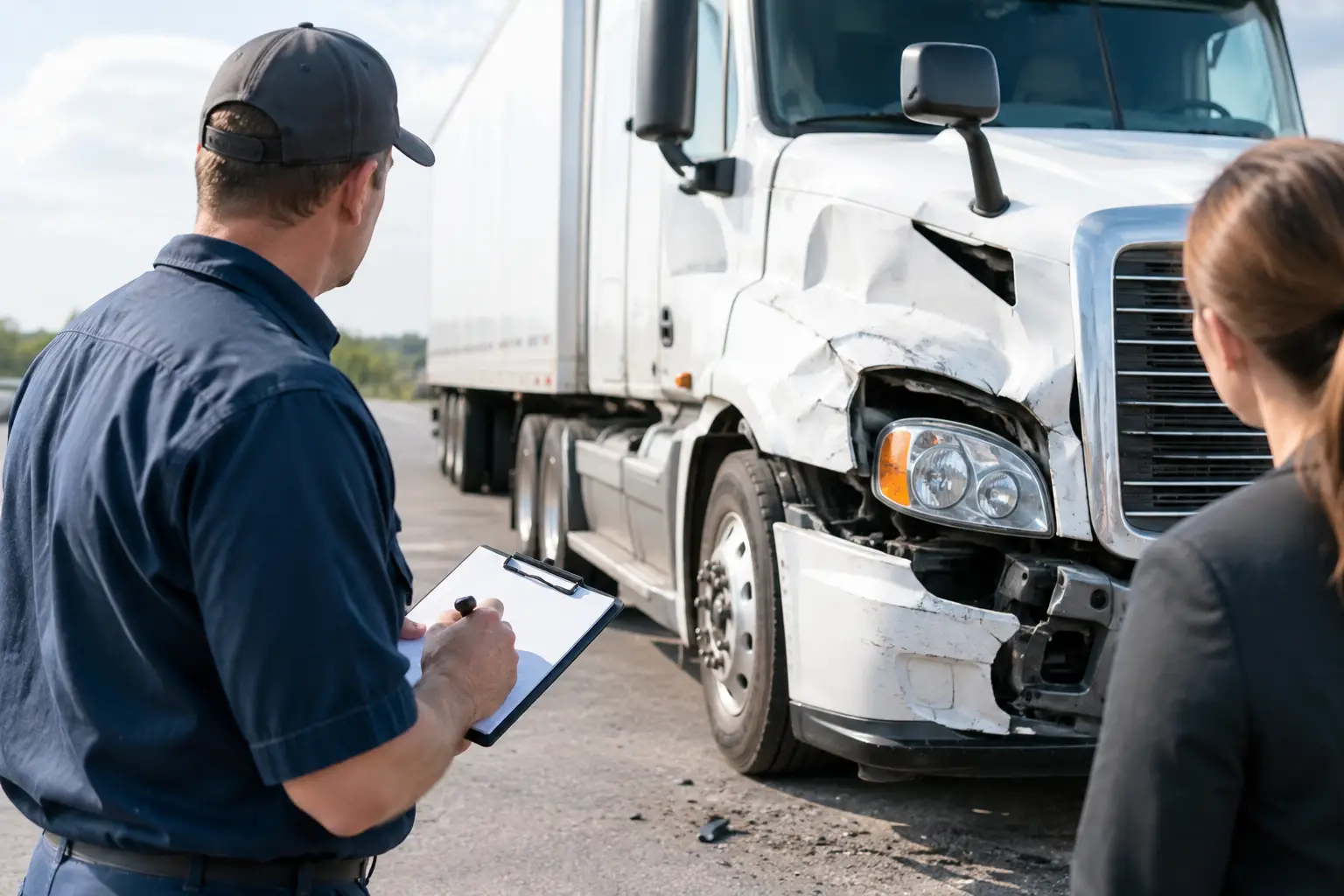
Truck Carrier Versus Driver Liability After a Crash
After a serious commercial truck collision, the truck carrier versus driver liability question can determine whether an injured person has access to the full compensation needed to rebuild. The driver may have made the immediate mistake, but a trucking company can also play a meaningful role in the conditions that led to the crash. Looking only at the person behind the wheel can leave critical evidence and responsible parties out of the picture.
For injured Texans, this is not an academic issue. It affects who may be held accountable for medical bills, lost income, pain, emotional distress, and other losses caused by a preventable wreck. A careful investigation should begin quickly, before electronic data, inspection materials, vehicle evidence, and company records become harder to obtain.
Truck Carrier Versus Driver Liability: Why Both Matter
A truck driver can be personally liable when careless conduct causes a collision. This may include speeding, following too closely, running a light, making an unsafe lane change, driving while distracted, or failing to adjust to traffic and weather conditions. Drivers of large commercial vehicles have a serious responsibility because the size and weight of their trucks can turn one mistake into a life-changing event.
But liability does not always stop with the driver. A motor carrier may be responsible for a driver’s conduct when the driver was operating under the carrier’s authority or performing a trip connected to the carrier’s operations. In many cases, the carrier is also responsible for its own unsafe decisions or failures.
This distinction matters because the evidence can point in more than one direction. A driver may say a mechanical problem contributed to the crash. The carrier may point to driver error. The insurer may try to frame the event as an unavoidable accident. The facts, not the early explanations, should control the claim.
When the Driver May Be Responsible
Driver liability usually centers on what occurred in the minutes and seconds before impact. Investigators may examine the police report, witness accounts, roadway video, vehicle damage, electronic data, phone records, and the driver’s required logs. These sources can help show whether the driver had enough time and distance to avoid the collision or ignored obvious risks.
Fatigue can also be a major issue. Commercial drivers are subject to limits intended to reduce dangerous fatigue. If records reveal that a driver exceeded allowable driving time, failed to take required rest, or kept inaccurate logs, that information may strengthen a claim. Still, fatigue cases are rarely limited to the driver alone. A deeper review may reveal whether dispatch demands, scheduling practices, or carrier oversight contributed to the pressure.
A driver’s personal responsibility does not disappear simply because a company is involved. However, an injured person should not be forced to accept a narrow investigation that focuses on only one person when the evidence suggests broader negligence.
When a Truck Carrier May Be Liable
A truck carrier may face direct liability when its own actions or omissions helped cause the wreck. This can arise from poor vehicle inspection practices, missed maintenance, inadequate safety oversight, improper cargo handling, or allowing an unsafe truck onto the road.
Consider a collision caused by failed brakes, worn tires, defective lights, or an unsecured load. The driver may have had little warning that a dangerous condition existed, while company inspection and maintenance records may show a problem that should have been addressed earlier. In that situation, the carrier’s conduct can be central to the case.
Carrier responsibility may also involve the people it allows to operate under its authority. A company should have procedures to evaluate driving history, safety concerns, qualifications, and compliance with applicable rules. When a carrier ignores warning signs or keeps a dangerous operator on the road, injured victims may have a basis to seek accountability from the company itself.
The same principle applies to supervision. A carrier that overlooks repeated safety violations, encourages unrealistic delivery schedules, or fails to respond to known concerns may share responsibility when those failures contribute to a crash. The exact facts matter. Not every collision will support every theory of liability, but a complete investigation should examine each reasonable possibility.
The Independent Contractor Issue
Truck carriers sometimes argue that the driver was an independent contractor and that the company should not be responsible. That label is not always the end of the analysis. The real relationship between the carrier and the driver can matter more than a label in a contract.
Evidence may show that the carrier controlled key aspects of the trip, provided the trailer, set operational requirements, monitored compliance, or presented the truck to the public under its name and authority. A carrier may also have independent duties related to vehicle safety and its own business practices, regardless of the driver’s classification.
For this reason, it is risky to rely on an insurer’s quick statement that only the driver is responsible. A thorough review should determine who owned the tractor and trailer, who maintained them, whose authority was used, who directed the shipment, and what safety obligations applied.
Evidence Can Change the Direction of a Claim
Truck crash evidence is often more complex than the evidence available after a typical passenger vehicle collision. Commercial trucks may contain electronic control modules, onboard cameras, GPS data, electronic logs, inspection information, maintenance history, and communications related to the trip. These materials can disappear, be overwritten, or become difficult to locate if action is delayed.
A strong investigation may also look at the truck’s condition after the crash, cargo securement, skid marks, debris patterns, traffic camera footage, witness statements, and the carrier’s safety history. No single piece of evidence always tells the whole story. The value comes from connecting the evidence to explain what happened and why it could have been prevented.
This is one reason insurance companies often move quickly after a major truck collision. Their investigators may begin protecting the company’s interests immediately. Injured people and families deserve someone who will protect their interests with the same urgency.
Shared Fault Does Not End the Conversation
Texas follows a shared-responsibility approach in injury claims. An insurer may argue that an injured driver contributed to the collision by speeding, braking late, changing lanes, or taking some other action. Those arguments can affect the recovery available, depending on the facts.
That does not mean the insurer gets to assign blame without proof. A truck’s size, stopping distance, blind spots, cargo, and operating condition can all shape what a careful driver should have done. An honest assessment of shared fault is necessary, but so is a firm response to unfair attempts to shift responsibility away from a truck driver or carrier.
The same is true when multiple parties may be involved. The driver and carrier may both bear responsibility. In some situations, another company connected to maintenance, loading, or the equipment may also need to be investigated. Identifying all responsible parties helps ensure an injured person is not left carrying losses caused by someone else’s negligence.
Protecting Your Position After a Truck Crash
Your health and safety come first. Once you are able, preserve what you can: photographs of the scene and vehicles, names of witnesses, discharge papers, receipts, and communications from insurers. Avoid giving a recorded statement or accepting a quick settlement before you understand the full extent of your injuries and the available evidence.
A serious truck crash claim requires prompt attention, especially when the carrier controls much of the information needed to prove what happened. Feizy Law Office helps injured people and families investigate truck collisions, preserve critical evidence, and pursue compensation from every party whose negligence caused harm.
You should not have to sort out truck carrier versus driver liability while recovering from a devastating collision. The right legal advocate can take on the investigation and insurance pressure, giving you room to focus on healing while your rights are protected.


About Post Author
