

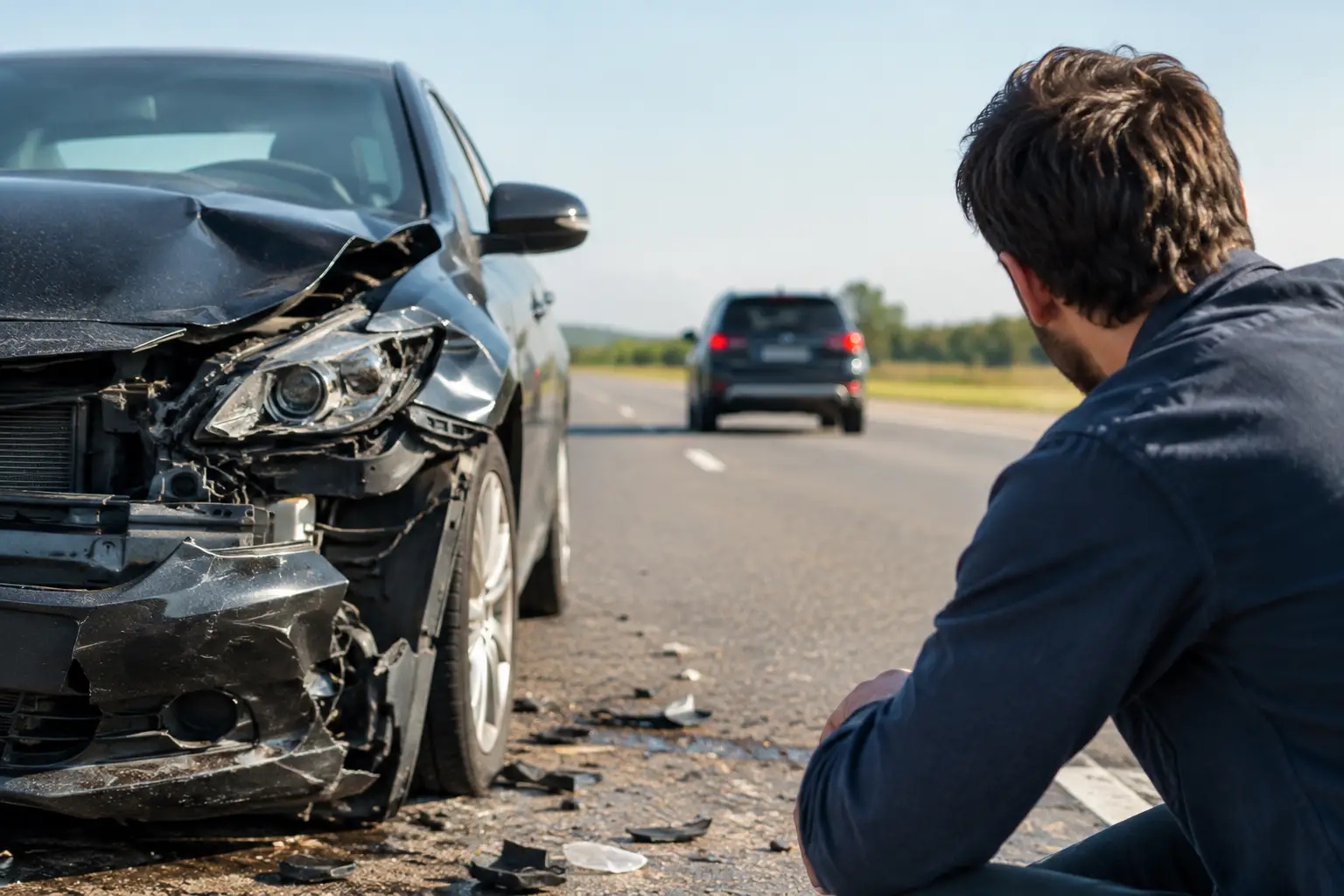
What If a Driver Flees an Accident in Texas?
When the question, “what if driver flees accident,” becomes real, the shock can make it hard to think clearly. One moment you are dealing with the force of a collision and possible injuries. The next, the person who caused it is gone. You may be left facing medical bills, missed income, vehicle damage, and the fear that no one will be held accountable.
A driver leaving the scene does not automatically end your ability to pursue compensation. It does mean that the steps you take in the hours and days afterward can carry added weight. Prompt action can help preserve evidence, support the search for the driver, and protect your options with insurers.
What to Do If a Driver Flees an Accident
Your first priority is safety. Move out of traffic if you can do so safely, turn on hazard lights, and call 911. Do not follow the fleeing vehicle. Trying to chase someone who has already chosen to leave can create another dangerous situation and may make it harder for officers to document what happened.
Tell dispatch that the other driver left the scene, describe the vehicle, and share the direction it traveled. Details that seem small can be useful: the vehicle’s color, make, model, body style, visible damage, partial plate number, decals, bumper stickers, or whether it had distinctive wheels or lights.
If you are hurt, accept emergency care. Some injuries do not feel severe in the first minutes after a crash because adrenaline can mask pain. A medical evaluation also creates a timely record connecting your injuries to the collision.
Preserve the Evidence Before It Disappears
Hit-and-run cases often turn on evidence that is easiest to lose quickly. If you are physically able, use your phone to photograph the scene, your vehicle, debris, roadway markings, traffic signals, and any injuries that are visible. Note the time, location, weather, and what you remember about the impact while the details are fresh.
Look for witnesses, including people in nearby parking lots, homes, storefronts, or other vehicles. Ask for their names and contact information. A witness may have seen the fleeing vehicle before the crash, captured a plate number, or noticed facts you could not see.
Video may be equally important. Nearby businesses, residences, traffic cameras, and doorbell cameras sometimes capture the collision or the vehicle’s route away from the scene. Many systems overwrite footage quickly. Acting early gives your legal team a better chance to identify and request relevant recordings before they are lost.
Keep copies of every document connected to the crash, including the incident report, medical records, receipts, insurer correspondence, and proof of missed time from work. Avoid posting details, photos, or speculation about the wreck on social media. Insurers may search for posts that they can use to challenge the seriousness of an injury or your account of events.
Why the Official Report Matters
An officer’s report can provide a starting point for the investigation. It may identify witnesses, summarize the scene, document damage patterns, and note whether officers located a possible vehicle. It is not the final word on fault, but it can become an important piece of the evidence.
Be accurate when speaking with officers. If you do not know something, say so rather than guessing. A partial license plate or uncertain vehicle description is still worth reporting, but it should be clear what you observed and what you are unsure about.
How Compensation May Work When the Driver Is Not Found
Many people assume they have no path forward unless police identify the driver. That is not always true. Depending on the coverage available, uninsured motorist protection may help pay for losses caused by a hit-and-run driver. In Texas, a driver who cannot be identified may be treated much like an uninsured driver for coverage purposes.
The available recovery depends on the policy language, the evidence, the nature of your injuries, and the coverage limits involved. A household may also have more than one applicable policy, depending on the circumstances. These questions deserve a careful review before you accept an insurer’s first position.
Uninsured motorist coverage can be valuable, but the insurance company is still evaluating a financial demand. The insurer may question whether the crash occurred as reported, argue that the injury came from another cause, or minimize the treatment and losses involved. A recorded statement or quick settlement offer can feel helpful when bills are arriving, yet it may not account for the full effect of the injury.
If investigators locate the driver, additional coverage and legal options may become available. The driver’s insurer may dispute fault, however, especially if there are no independent witnesses or video. A thorough investigation remains essential whether the driver is found immediately, months later, or not at all.
Do Not Let Insurance Pressure Set the Pace
After a driver flees an accident, insurance conversations can become stressful fast. You may be asked for a detailed statement before you understand the full extent of your injuries. You may also be asked to sign broad authorizations or accept a payment that does not reflect future care, lost earning capacity, pain, or the disruption to your daily life.
You have the right to ask questions and to understand what you are being asked to provide. Be truthful, but do not speculate about facts you do not know. Do not minimize your symptoms simply because you hope they will improve. Follow medical guidance, keep records of how your injuries affect work and daily activities, and preserve all written communications.
This is also where experienced representation can make a practical difference. An attorney can coordinate evidence collection, communicate with insurers, assess available coverage, and present the full scope of your damages. That allows you to focus on healing instead of trying to manage an investigation and insurance dispute alone.
When to Speak With a Texas Accident Attorney
It makes sense to seek legal guidance promptly when a hit-and-run crash causes significant injuries, a family member is seriously harmed, an insurer challenges the event, or there is uncertainty about available coverage. Early involvement can help protect camera footage, witness testimony, vehicle evidence, and other information that may be difficult to recover later.
At Feizy Law Office, injured Texans receive direct guidance through the investigation and insurance process. The goal is not simply to open a file. It is to build a clear, well-supported case for the compensation needed to move forward.
A fleeing driver creates uncertainty, but you do not have to let that uncertainty control what happens next. Protect your health, document what you can, report the collision promptly, and get help before critical evidence and valuable options slip away.


About Post Author
