

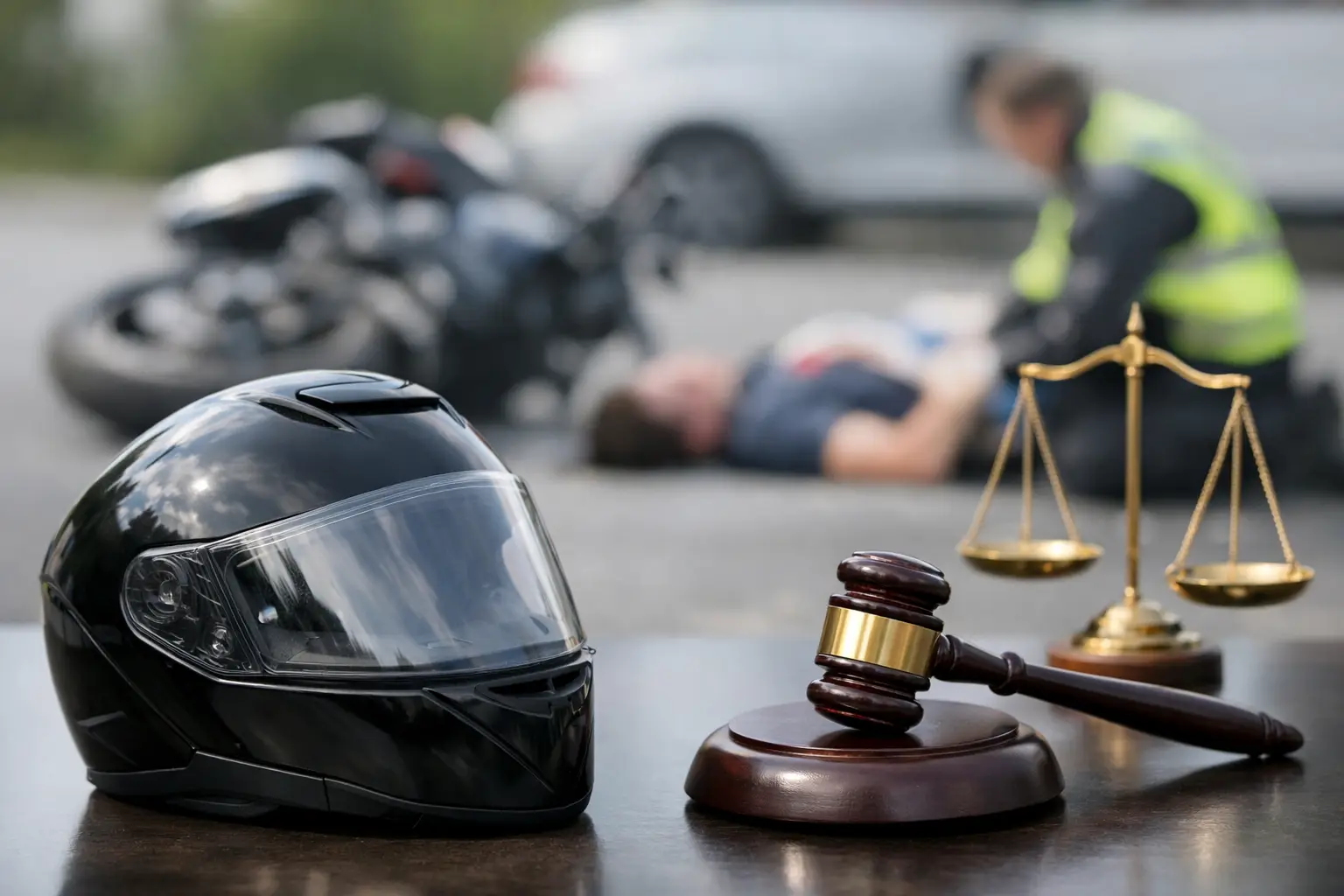
Motorcycle Helmet Injury Lawsuit Liability
A motorcycle helmet injury lawsuit can involve far more than whether a rider wore a helmet. After a serious crash, the central question is often whether another party caused the collision, whether a defective helmet made injuries worse, or whether both issues played a role. Riders and families deserve a careful investigation before an insurance company shifts blame or treats a devastating injury as inevitable.
A helmet is designed to reduce the risk of head injury. It is not a promise that a negligent driver, unsafe road condition, or defective product gets a pass. When a crash leaves a rider with significant harm, protecting the evidence and understanding every possible source of responsibility can make a meaningful difference.
When a Motorcycle Helmet Injury Lawsuit May Be Appropriate
A lawsuit may be appropriate when evidence shows that someone else’s negligence caused the crash or that a helmet failed because of a defect. These are separate legal paths, although they can overlap in the same incident.
For many injured riders, the first claim is against the driver who caused the collision. A driver who turns left across a motorcycle’s path, changes lanes without looking, follows too closely, runs a light, or fails to yield may be responsible for the rider’s losses. The fact that a rider suffered a head injury does not erase the driver’s duty to share the road safely.
A second claim may involve the helmet’s maker, distributor, or seller. A helmet can look intact from the outside yet fail to perform as it should in a crash. Potential issues may include inadequate impact protection, a defective retention strap, poor shell construction, improper sizing information, or a manufacturing flaw affecting a particular unit.
Sometimes the helmet performed properly, but the other driver’s negligence caused the injury. Sometimes a product defect aggravated an injury that would have been less severe with a properly designed helmet. The difference matters because it affects the evidence needed and the parties who may be held accountable.
A Helmet Does Not Excuse Negligent Driving
Insurance carriers often look for ways to place responsibility on motorcyclists. They may focus on helmet use, riding gear, speed allegations, or assumptions about how motorcycles operate. Those arguments can feel especially unfair when a driver simply failed to see a rider who had the right of way.
Texas helmet requirements can also create confusion. Some adult riders may qualify for an exception to the helmet requirement, while younger riders must wear one. But whether a rider wore a helmet is not the same as deciding who caused the crash. A driver who violated traffic safety rules may still be responsible for the collision and the resulting harm.
Helmet use can become a disputed issue when the injuries involve the head or face. The other side may argue that a different helmet, or any helmet, would have changed the outcome. That is not something an insurer gets to decide on its own. The crash forces, the helmet’s condition, the rider’s injuries, and qualified analysis all matter.
Texas also uses a shared-responsibility system. If an injured person is assigned some responsibility, it can affect the compensation available. If a jury assigns more than half of the responsibility to the injured person, recovery may be barred. That is one reason it is so important to respond early to blame-shifting arguments with real evidence rather than speculation.
Evidence Can Decide a Helmet Injury Claim
The helmet itself can be one of the most important pieces of evidence in a motorcycle injury case. Do not discard it, alter it, or allow anyone to repair it. Store it in a safe place and preserve the box, receipt, warranty materials, and any photos showing its condition before and after the crash.
Evidence may also include photographs of the scene, vehicle damage, traffic-camera footage, witness information, incident reports, medical records, and communications with insurers. In a product-related claim, investigators may review the helmet’s label, model number, manufacturing information, and whether it met the safety standards claimed by the maker.
The timing of evidence collection matters. Video footage may be overwritten, witnesses may become difficult to locate, and damaged vehicles can be changed or disposed of. A prompt investigation can help identify how the collision happened and whether the helmet’s performance requires closer examination.
Questions That Help Identify Liability
A thorough review usually starts with practical questions. How did the crash occur? Was the rider wearing the helmet correctly? Did the strap remain secured? Did the helmet strike another vehicle, the pavement, or a fixed object? Was there visible cracking, separation, or other unexpected damage?
The investigation should also look beyond the helmet. Was a commercial vehicle involved? Did a driver make an unsafe turn? Was the road surface hazardous because of debris, poor maintenance, or construction activity? More than one party may share responsibility, and identifying each responsible party can be crucial when injuries are severe.
Compensation After a Serious Motorcycle Injury
A successful claim may seek compensation for losses connected to the crash. Depending on the facts, that can include medical expenses, lost income, reduced ability to earn income, pain, emotional suffering, disfigurement, and damage to the motorcycle and other property.
When a rider suffers a traumatic brain injury or another life-altering condition, the financial impact may continue long after the initial emergency treatment. Families can face ongoing care needs, time away from work, and a complete disruption of daily life. A fair evaluation should account for the full effect of the injury, not just the first bills an insurer sees.
If a loved one died because of a motorcycle crash or a product failure, surviving family members may have a claim for the losses caused by that death. These cases require sensitive, detailed handling at a time when families are already carrying an enormous burden.
What to Do After a Helmet-Related Motorcycle Crash
Get medical attention immediately and follow the care plan you receive. If possible, photograph the helmet, your gear, the motorcycle, the roadway, and visible injuries. Keep the helmet and avoid discussing fault in recorded statements before you understand the full circumstances.
You should also be cautious about a quick settlement offer. An early offer may arrive before the full extent of a head injury, future treatment needs, or product defect has been evaluated. Accepting too soon can leave an injured rider responsible for costs that should have been part of the claim.
At Feizy Law Office, injured Texans can speak with an attorney who can take over insurer communications, preserve critical evidence, and pursue the compensation the facts support. A motorcycle case deserves more than assumptions about riders or a rushed evaluation of a damaged helmet.
If you or someone you love was hurt, do not let the helmet become the only story the insurance company tells. The facts of the crash, the condition of the product, and the conduct of every responsible party deserve a full and timely review.


About Post Author
