

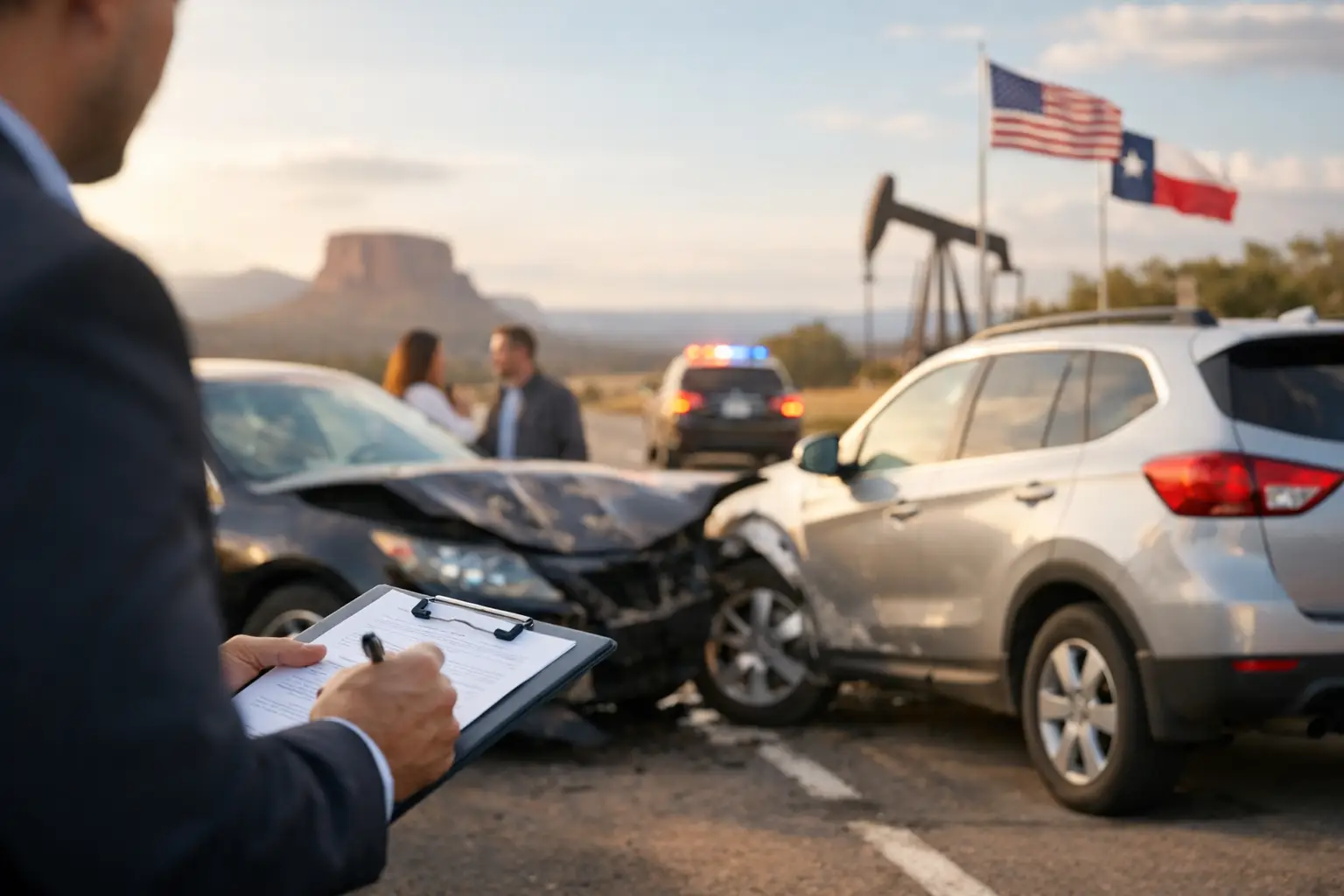
A Guide to Uninsured Driver Claims in Texas
An uninsured driver can leave an injured person with a painful question after a serious crash: Who will pay for the harm someone else caused? This guide to uninsured driver claims explains the practical steps Texas drivers and passengers should take, the coverage that may be available, and why insurance companies should not get the final word on what your losses are worth.
The other driver’s lack of insurance does not erase their responsibility. But it can make recovery more complicated. A careful investigation, prompt notice to the right insurer, and a clear accounting of every loss can make a meaningful difference in the outcome.
What an uninsured driver claim involves
An uninsured driver claim usually begins when the at-fault motorist has no active liability coverage at the time of the collision. It can also arise after a hit-and-run crash when the responsible driver cannot be identified. In either situation, an injured person may need to look beyond the at-fault driver’s policy for available sources of compensation.
For many Texans, the first place to look is uninsured/underinsured motorist coverage, often called UM/UIM coverage. This is coverage on your own auto policy that may apply when the person who caused the crash has no insurance or does not have enough coverage to pay for the full harm caused.
The fact that you are making a claim with your own insurer does not mean the process will be easy. The insurer may still challenge fault, question the seriousness of your injuries, dispute whether treatment was connected to the collision, or argue that a proposed settlement is too high. Its financial interests do not automatically align with yours.
Start protecting your claim at the scene
Your health and safety come first. Call 911, accept emergency help when needed, and make sure a police report is created. A report can identify the parties involved, document initial observations, and preserve details that may become difficult to prove later.
If you are able, take photographs of the vehicles, roadway, traffic signals, visible injuries, and anything else that helps show how the collision happened. Get names and contact information for witnesses. If the other driver says they do not have insurance, stay calm and let law enforcement handle the situation. Do not rely on verbal promises that they will pay later.
A hit-and-run collision requires particularly fast action. Witness memories fade, nearby video may be overwritten, and locating the responsible vehicle can become harder with each passing day. Report the crash promptly and preserve every detail you remember, including the vehicle’s color, direction of travel, damage, and any portion of a license plate.
Review every available insurance policy
The policy covering the vehicle you occupied is often the starting point, but it may not be the only policy that matters. Depending on the circumstances, coverage may be available through a policy held by a household member or another applicable policy. The answer depends on the policy language, who was insured, where the crash occurred, and other facts unique to the situation.
UM/UIM benefits may help address losses such as medical expenses, lost income, pain, physical limitations, and the ways an injury disrupts daily life. Coverage limits matter. A severe collision can create losses that exceed available coverage, which is why identifying every possible policy early is so important.
Texas auto policies may also include personal injury protection coverage. PIP can be useful because it may provide certain benefits regardless of who caused the crash. However, the details, limits, and available benefits vary by policy. Do not assume a policy will pay simply because coverage was purchased, and do not assume a denial is the end of the matter.
Give notice, but be careful what you say
Notify your insurance company about the collision promptly. Late notice can give an insurer an argument it should not have. At the same time, a quick report is not the same as giving a detailed recorded statement or accepting an early payment offer.
When an insurance representative asks questions, stick to accurate facts you know. Avoid guessing about speed, fault, the extent of your injuries, or whether you will need future care. The full impact of a serious injury is not always clear in the first days after a crash.
Before signing a release, agreeing to a settlement, or authorizing broad access to your private records, understand what you are giving up. A release can close the claim permanently. Once that happens, you generally cannot return for additional compensation if the injury proves more serious than you first realized.
Do not settle with the at-fault driver too soon
This point is easy to overlook. If an uninsured driver later offers money, accepting it or signing an agreement without reviewing your own policy could affect your UM/UIM claim. Your insurer may have rights connected to recovering money from the at-fault party. Protecting those rights can be a condition of coverage.
A lawyer can review proposed settlements and communications before you make a decision that limits your options.
Proving fault still matters
UM/UIM coverage is not automatic compensation. You still need to establish that another driver caused the collision and that you suffered losses as a result. The same evidence that would matter in a claim against the at-fault driver often matters in an uninsured motorist claim.
Useful evidence can include the police report, photographs, witness accounts, traffic-camera footage, vehicle data, medical records, proof of missed work, and documentation showing how the injury changed your daily activities. In a truck crash or multi-vehicle collision, the investigation may also involve company records, roadway evidence, and additional insurance policies.
Texas follows a proportionate responsibility system. If an insurer claims you were partly at fault, it may try to reduce what it pays. That is why the details of the crash matter. A careless comment, incomplete report, or missing piece of evidence can become part of the insurer’s argument.
Understand the value of the full loss
An insurer may focus on bills that are already in hand and overlook the broader consequences of a serious crash. A fair evaluation should account for the harm the collision has actually caused, not just the first expenses that appeared.
That may include income lost while you were unable to work, future earning effects, ongoing medical needs, physical pain, emotional distress, and the loss of normal activities and independence. The value of a claim depends on the severity of the injury, the available evidence, the policy limits, fault issues, and the long-term impact on your life.
No responsible attorney can promise a particular result. But you should expect a clear explanation of what coverage exists, what evidence is needed, and what obstacles could affect recovery.
When legal help can protect your rights
An uninsured driver claim is especially difficult when the injuries are serious, fault is disputed, a hit-and-run driver is involved, or the insurer denies or undervalues coverage. These cases can involve strict policy requirements and deadlines. Waiting can make evidence harder to obtain and can put your right to pursue compensation at risk.
A personal injury attorney can take over communications with insurers, investigate the crash, identify applicable coverage, organize proof of your losses, and pursue a claim that reflects the real consequences of the collision. That allows you to focus on your recovery instead of managing insurance pressure alone.
Feizy Law Office represents injured Texans facing difficult accident claims in Dallas-Fort Worth and surrounding communities. A direct conversation can help you understand the next step before an insurer’s version of the story becomes the only version on the file.
If an uninsured driver hurt you or someone you love, preserve what you can, avoid rushed agreements, and get guidance early. The right action now can protect your ability to seek the compensation needed to move forward.


About Post Author
