

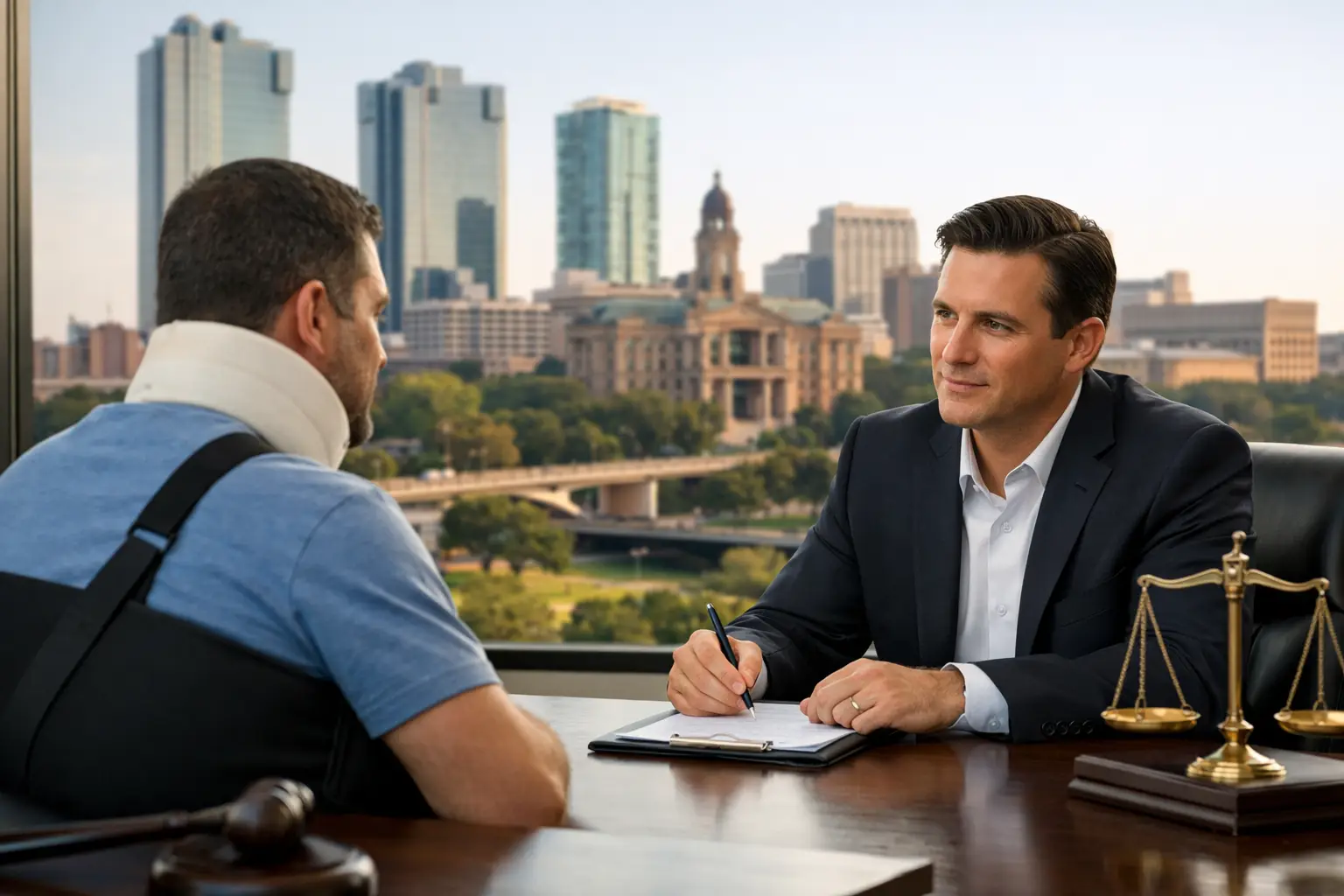
Fort Worth Personal Injury Lawyer After an Accident
The calls may start before you have had time to understand what happened. An insurance representative wants a statement. Bills are arriving. You may be unable to return to your normal routine, while the person or company responsible seems to have moved on. A Fort Worth personal injury lawyer can step in at that point, protect your interests, and take the pressure of the claim off your shoulders.
The purpose of an injury claim is not simply to assign blame. It is to pursue the financial support you need after another person’s negligence disrupts your health, income, and family life. That support may include current and future medical expenses, lost income, property damage, physical pain, emotional distress, and other losses connected to the accident.
When a Fort Worth Personal Injury Lawyer Can Help
Not every accident leads to a legal claim, but serious injuries and disputed liability deserve prompt attention. Legal representation can be particularly valuable when the insurer questions fault, minimizes the severity of an injury, delays communication, or makes an early settlement offer that does not reflect the full impact of the accident.
Car crashes are a common reason people seek help, but injury claims arise in many ways. A distracted driver may run a red light. A commercial truck may cause a devastating collision because critical safety rules were ignored. A motorcyclist or pedestrian may be struck by a driver who failed to yield. A dangerous property condition may cause a fall that leaves someone facing significant treatment and time away from normal responsibilities.
In the most heartbreaking circumstances, a family may lose a loved one because of another party’s negligence. Wrongful death matters require careful handling, both because the financial consequences can be substantial and because families deserve respect while they are grieving. A lawyer can handle the difficult details while keeping the family informed about their options.
The value of a claim depends on the facts. The nature of the injuries, available insurance coverage, evidence of fault, treatment needs, lost income, and effect on daily life all matter. A serious case should never be evaluated by looking only at the first bill or the first offer from an insurer.
What Happens After You Hire an Injury Attorney
A good personal injury attorney does more than file paperwork. The real work begins with building a clear, well-supported account of what happened and what it has cost you.
First, your attorney investigates the accident. Depending on the situation, this can include reviewing crash reports, photographs, video footage, witness accounts, vehicle data, property records, and communications from the parties involved. Evidence can disappear quickly. Video may be overwritten, vehicles can be altered, and witnesses may become harder to locate as time passes.
Next, your attorney gathers documentation that shows the full scope of your losses. Medical records, invoices, proof of income, and evidence of how the injury affects daily activities can all help demonstrate why fair compensation is necessary. The goal is to present a complete picture, not a narrow version of the harm that is convenient for an insurance company to accept.
Then comes communication and negotiation. Insurers handle claims every day, and their financial interests are not the same as yours. They may ask questions designed to limit responsibility, argue that a condition existed before the accident, or pressure you to settle before the long-term consequences are clear. Once you have legal representation, your attorney can communicate with the insurer and keep the focus on the evidence.
If a fair agreement is not offered, an attorney can prepare the claim for litigation. Many claims resolve through negotiation, but a lawyer’s willingness to fully pursue the matter often changes the conversation. The right approach depends on the facts, the available coverage, and whether the other side is acting reasonably.
Protecting Your Claim in the First Days
The decisions made after an accident can affect a claim long before negotiations begin. You do not need to know every legal rule, but you should avoid giving the insurer information before you understand how it may be used.
Seek appropriate medical attention and follow through with recommended care. Delays can give an insurer an opening to argue that the accident did not cause the injury or that the condition was not as serious as claimed. Keep records of expenses, missed time from work, and changes in your ability to handle ordinary tasks.
Be careful with recorded statements and broad requests for information. A friendly conversation with an insurance representative is still part of a business process designed to resolve the claim for as little as possible. You are not required to accept an early offer simply because expenses are mounting.
It is also wise to limit what you share publicly about the accident or your activities. Insurance companies may search for posts, photographs, or comments they can take out of context. A single image rarely tells the whole story of an injury, yet it can still be used to challenge your claim.
Texas also considers whether an injured person shares responsibility for an accident. That does not automatically prevent recovery, but it can affect the amount of compensation available. A lawyer can evaluate the evidence, respond to unfair accusations of fault, and explain how those rules may apply to your situation.
Questions to Ask Before Choosing Representation
You should feel confident that the attorney handling your case understands the local community, takes your concerns seriously, and has the resources to pursue a thorough investigation. Experience matters, but accessibility matters too. You should not be left wondering what is happening with your claim or whether someone is responding to the insurer’s latest move.
Ask how the firm will communicate with you, who will handle key parts of the case, and what evidence may be needed. Ask whether the attorney has handled claims involving the same type of accident, whether a collision, truck crash, motorcycle wreck, pedestrian injury, or unsafe property condition. Clear answers can tell you a great deal about whether the firm is prepared to advocate for you.
It is equally important to understand that no responsible attorney can promise a specific result. Honest legal guidance means discussing both the strengths of a claim and the challenges that may arise. The facts may be disputed, coverage may be limited, or the extent of future losses may still be developing. A lawyer who explains those realities while fighting for your interests is far more valuable than one who offers empty guarantees.
A Local Advocate Can Take Over the Hard Part
After a serious accident, you should be able to focus on healing and your family rather than chasing documents, returning insurer calls, and worrying about whether you are being treated fairly. Feizy Law Office represents injured Texans with direct, hands-on advocacy and a commitment to holding negligent parties accountable.
The time to get answers is before critical evidence disappears or an insurer persuades you to accept less than your claim may be worth. Speaking with a Fort Worth personal injury lawyer can give you a clearer path forward and put someone in your corner when the details matter most.
You did not ask for the disruption this accident caused. You can, however, choose an advocate who will treat your recovery, your losses, and your future with the seriousness they deserve.


About Post Author
