

Rear End Accident Fault in Texas Explained
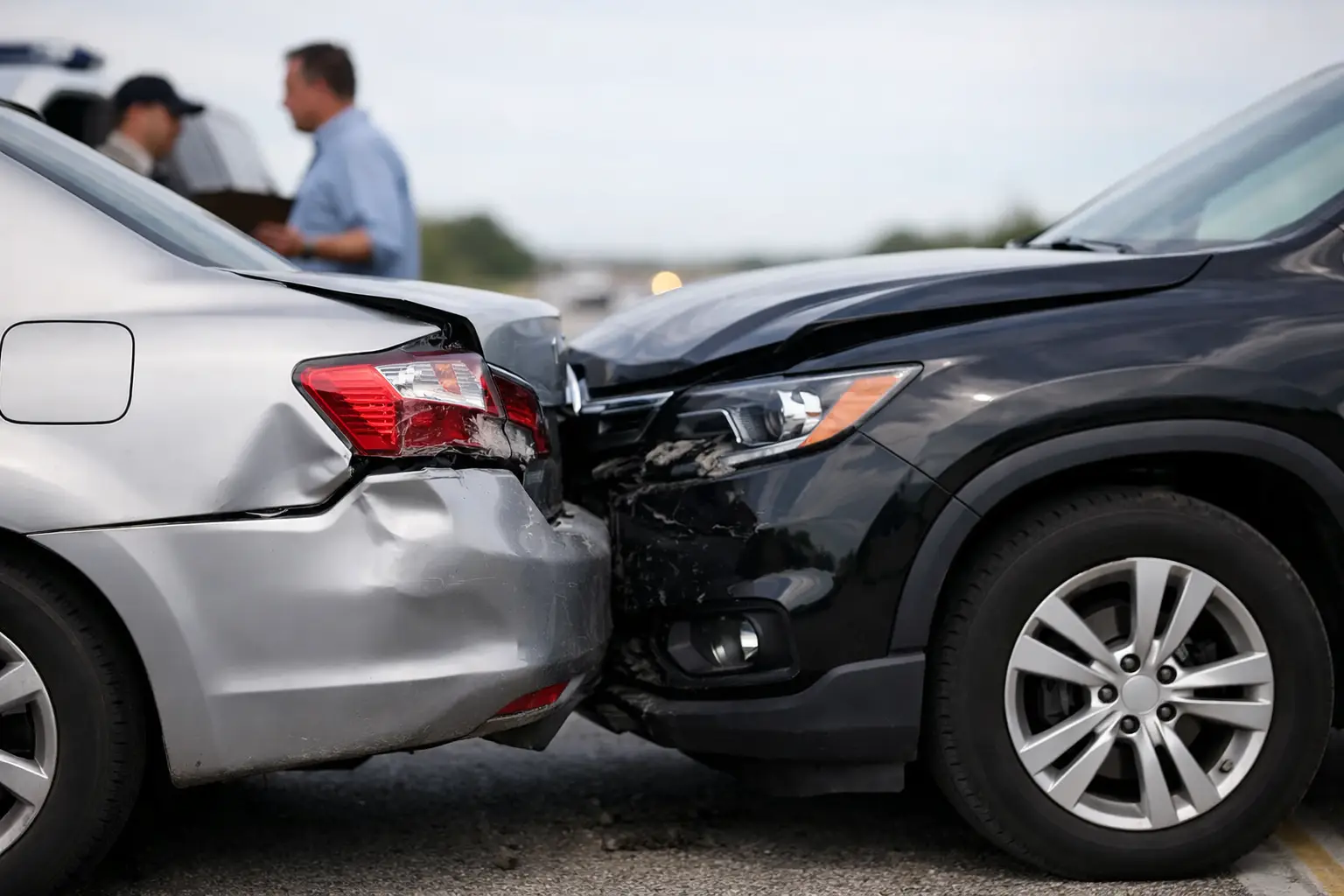
A rear-end crash can look simple from the outside. One driver hits the back of another vehicle, and everyone assumes the person in the rear is automatically at fault. In many cases, that is true. But rear end accident fault in Texas is not always as automatic as insurance companies make it sound, and the details can change the entire claim.
If you were hurt in this kind of collision, the question is not just who hit whom. The real issue is why the crash happened, what evidence supports your side, and whether the other driver or their insurer is trying to shift blame to reduce what they pay.
How rear end accident fault in Texas is usually decided
Texas drivers are expected to leave enough distance to stop safely if traffic slows or stops. Because of that rule, the trailing driver is often blamed in a rear-end collision. The reasoning is straightforward – if you are following at a safe distance and paying attention, you should be able to avoid hitting the vehicle ahead under normal conditions.
That said, fault is based on negligence, not assumptions. A police report, witness statements, vehicle damage, photos from the scene, and traffic camera footage may all affect how liability is viewed. Insurance companies may start with a presumption that the rear driver caused the crash, but that is not the same thing as a final legal answer.
This matters because Texas follows a modified comparative fault system. If an injured person is found partly responsible, their compensation can be reduced by that percentage. If they are found more than 50 percent at fault, they may be barred from recovering damages. That gives insurers a strong reason to argue that the front driver did something wrong, even when the rear impact seems clear.
When the rear driver is clearly at fault
Many rear-end accidents happen for familiar reasons. The driver behind may have been speeding, distracted, looking at a phone, following too closely, or failing to react in time to traffic conditions. In those situations, fault tends to be more straightforward.
The same is true when traffic is stop-and-go and one vehicle crashes into another that was already stopped or slowing normally. A driver cannot avoid responsibility by saying traffic changed quickly if a reasonable driver should have been prepared for it.
Bad weather does not excuse careless driving either. Rain, fog, or slick roads usually mean drivers should slow down and leave more room, not less. If someone rear-ends another vehicle because they could not stop in wet conditions, that often supports fault rather than eliminates it.
When fault is not so simple
There are rear-end cases where the front driver may share some blame. That does not happen in every case, but it does happen often enough that injured people should not rely on broad assumptions.
One issue is unsafe or unexpected stopping. If a driver slams on the brakes for no valid reason, that can become part of the fault analysis. Another issue is malfunctioning brake lights. If the rear driver had little or no warning that the vehicle ahead was stopping, that fact may matter.
Chain-reaction crashes can be even more complicated. A driver may be pushed into the vehicle ahead after being struck from behind. In that situation, the first impact may have caused the second, and sorting out liability requires a close look at timing, speed, and the sequence of impacts.
Lane changes also create disputes. If a driver cuts in front of another vehicle and immediately brakes, the rear-end impact may not tell the full story. The same goes for sudden merges, road rage incidents, or drivers reversing unexpectedly.
These cases are exactly why evidence matters. The crash itself is only part of the story. What happened in the seconds before impact can be the difference between a strong claim and a hard fight.
What evidence helps prove fault
After a rear-end crash, people are often shaken up and focused on their injuries. That is understandable. But the earliest evidence can be some of the most valuable if fault is disputed later.
Photos of vehicle positions, damage, skid marks, debris, road conditions, and traffic signs can help show how the crash happened. Witnesses may confirm whether the front vehicle was stopped normally, whether the rear driver seemed distracted, or whether another vehicle caused a chain reaction.
Vehicle damage patterns can also tell an important story. The location and severity of impact may support or contradict what a driver says happened. Electronic data, when available, may show braking, speed, or other actions before the collision.
Medical records matter too. They do not prove traffic fault by themselves, but they help connect the crash to the injuries you suffered. That becomes especially important when an insurer tries to argue that the crash was too minor to cause real harm or that your condition came from something else.
Why insurance companies fight rear-end claims
People often assume rear-end cases should settle quickly because liability seems obvious. Sometimes they do. Sometimes they do not.
Insurance companies look for ways to limit exposure, and rear-end claims can still be contested on both fault and damages. An insurer may argue that you stopped suddenly, that your lights were not working, that your injuries are overstated, or that a preexisting condition is really to blame. Even when fault is mostly clear, the insurer may try to downplay how badly you were hurt.
This is where a strong legal strategy matters. A good claim is not built on one statement that the other driver hit you from behind. It is built on evidence, documentation, and a clear presentation of how the collision affected your health, income, and daily life.
What damages may be available after a rear-end crash
If another driver caused the collision, you may be able to pursue compensation for more than immediate expenses. Depending on the facts, damages can include medical costs, lost income, reduced earning capacity, pain and suffering, physical impairment, and other losses tied to the crash.
The value of the case depends on several factors, including the severity of the injuries, the length of recovery, whether future treatment is expected, and whether fault is disputed. A rear-end crash that causes a serious neck, back, or head injury can have long-term consequences even if the property damage does not look dramatic.
That disconnect frustrates many injured people. They are dealing with real pain, missed work, and uncertainty, while the insurer focuses on photos of the bumper. Claims should be evaluated based on the human impact, not just the visible damage to the vehicles.
What to do after a rear-end accident in Texas
The first priority is your safety and medical care. If you are able, report the crash and document the scene. Get photos, identify witnesses, and avoid saying anything that sounds like you are guessing about fault. In the aftermath of a collision, people often apologize out of stress or confusion, and those words can be used against them later.
You should also be careful with insurance conversations. A quick statement to an insurer may seem harmless, but it can lock you into details before you know the full extent of your injuries or before all the evidence is reviewed.
In a disputed case, timing matters. Evidence can disappear, memories fade, and the insurance company starts evaluating the claim immediately. Getting legal help early can make it easier to preserve the facts and protect your position from the start.
Why legal guidance can make a difference
Rear-end accident cases may sound routine, but routine for the insurer does not mean easy for the injured person. When medical bills are growing and you are missing work, you need more than a general assumption that the other driver was probably at fault. You need someone prepared to prove it and push back when the insurer tries to cut corners.
An experienced injury lawyer can investigate the crash, gather records, identify weaknesses in the insurance company’s position, and build a claim around the full extent of your losses. That is especially important when the other side argues shared fault or tries to dismiss your injuries as minor.
For injured Texans, the legal process should take pressure off your shoulders, not add to it. Feizy Law Office represents accident victims with a direct, hands-on approach focused on accountability and compensation. If a rear-end crash has left you hurt and uncertain about what comes next, getting clear guidance early can protect both your claim and your peace of mind.
A rear-end collision may happen in seconds, but the financial and physical fallout can last much longer. The right next step is to treat fault as something that must be proved carefully, not guessed at, and to make sure your side of the story is backed by real evidence before the insurance company writes its own version.


About Post Author
