

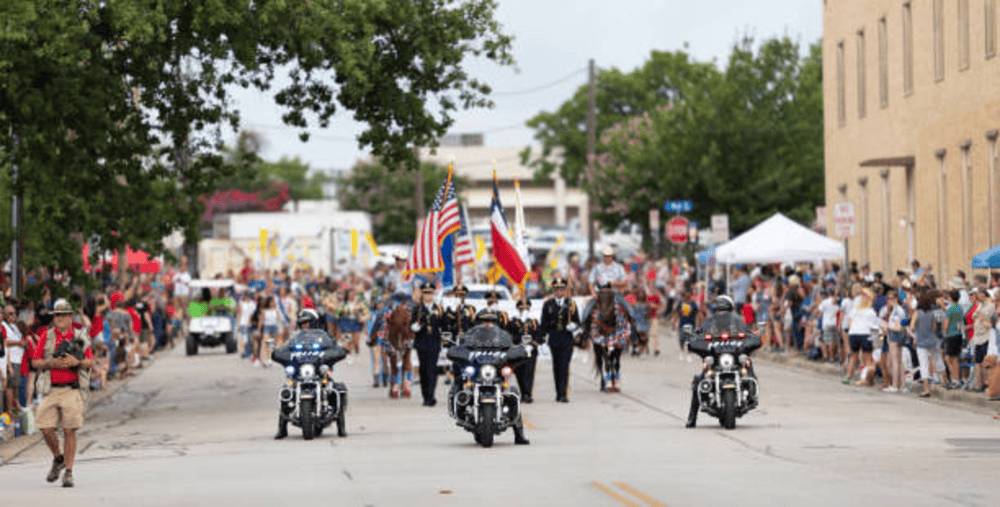
Safety Tips for Motorcyclists on Dallas Roads
Riding a motorcycle offers an unmatched sense of freedom, especially on the wide and often scenic roads of Dallas, Texas. However, this freedom comes with significant risks. In 2023 alone, Texas reported thousands of motorcycle accidents, many resulting in serious injuries or fatalities. Fortunately, many of these accidents are preventable.
If you’re a rider, prioritizing motorcycle safety in Dallas is not just smart—it’s essential. Whether you’re commuting daily or enjoying weekend rides, understanding the unique challenges of riding in this region can make all the difference. This guide offers actionable tips to help in preventing motorcycle accidents in Texas, focusing specifically on Dallas roads.
1. Wear the Right Protective Gear
One of the simplest and most effective ways to reduce injury in an accident is to wear high-quality protective gear. Dallas roads see both high-speed traffic and unpredictable weather, so gearing up is non-negotiable.
Essential Protective Gear:
- DOT-approved helmet: Head injuries are among the leading causes of motorcycle fatalities.
- Jacket and pants with armor: Leather or textile with CE-approved armor protects against abrasions.
- Gloves and boots: These protect your hands and feet from fractures or burns in case of skidding.
Even in the Texas heat, mesh gear with ventilation can provide safety without causing overheating.
2. Follow Defensive Driving Techniques
Motorcyclists must often ride with the assumption that other drivers don’t see them. Practicing defensive driving in Dallas is key to avoiding collisions, especially in high-traffic zones like Central Expressway, LBJ Freeway, and I-35.
Defensive Riding Habits:
- Keep a safe distance from other vehicles.
- Be cautious at intersections—this is where most motorcycle accidents occur.
- Avoid lingering in blind spots of larger vehicles.
- Always signal before changing lanes and make eye contact with drivers when possible.
If you find yourself sharing the road with large commercial vehicles, understanding how to ride safely around them is critical. If you’ve been in an accident involving such a vehicle, you might need help from a truck accident attorney in Dallas to protect your rights.
3. Stay Updated on Dallas Traffic Laws
Texas laws regarding motorcycles are strict, and Dallas enforces them rigorously. Staying compliant with local traffic laws is not only legal but a major factor in avoiding accidents.
Key laws for motorcyclists:
- Lane filtering (lane splitting) is illegal in Texas.
- All riders under 21 must wear helmets; those over 21 must carry proof of safety course completion or insurance coverage.
- Motorcycles must have functioning headlights during operation, even in daylight.
Understanding these laws ensures you not only avoid fines but also operate in a way that supports accident prevention.
4. Understand Lane Splitting Laws
Lane splitting—or riding between lanes of traffic—is a hot topic for motorcyclists across the U.S. In Texas, and specifically in Dallas, lane splitting laws prohibit this behavior.
Despite its potential safety benefits in some settings, Texas law does not allow lane filtering or splitting. Doing so in Dallas traffic can not only result in fines but dramatically increase your risk of being sideswiped or trapped between vehicles.
Instead of lane splitting, use strategic lane positioning to maintain visibility and distance from other drivers.
5. Account for Weather Considerations in Dallas
While Texas is known for its sun, the weather in Dallas can change quickly—bringing thunderstorms, wind gusts, or sudden drops in temperature. Weather considerations are vital for motorcyclists.
Tips for Weather-Responsive Riding:
- Check forecasts before hitting the road.
- Avoid riding during heavy rain or lightning storms.
- Slow down and increase your following distance in wet conditions.
- Use anti-fog visors or goggles to maintain visibility.
Poor weather often contributes to road slickness, reducing traction. By modifying your riding strategy, you can mitigate these dangers.
6. Practice Night Riding Safety
Night riding in Dallas comes with unique challenges: reduced visibility, glare from headlights, and drowsy or impaired drivers. Practicing night riding safety is essential for your protection.
Night Riding Safety Measures:
- Wear reflective clothing or use high-visibility accessories.
- Keep your headlight, taillight, and indicators in perfect working condition.
- Use lower beam settings in dense traffic to avoid blinding other drivers.
- Be extra cautious at intersections and exits.
Many motorcycle accidents occur after dark, making it crucial to adapt your riding style during nighttime.
7. Maintain Your Motorcycle Regularly
Proper motorcycle maintenance isn’t just about longevity—it’s a critical safety measure. Neglected brakes, worn tires, or broken lights can result in fatal accidents.
Routine Checks to Prioritize:
- Brakes: Inspect pads and fluid regularly.
- Tires: Check for wear, cracks, and proper air pressure.
- Lights: Ensure headlights, brake lights, and indicators work.
- Chains and cables: Lubricate and adjust as needed.
Consider scheduling a professional inspection every 3,000–5,000 miles or before a long trip. A well-maintained bike can save your life.
8. Participate in Local Awareness Campaigns
Dallas and broader Texas regularly host awareness campaigns focused on motorcycle safety. Participating or supporting these efforts not only improves your knowledge but also fosters a culture of safe riding.
Campaigns often promote:
- Public service announcements on driver awareness of motorcycles
- Safety courses tailored for riders
- Group rides that promote safe riding techniques
- Community education on sharing the road
By getting involved, you contribute to reducing accidents in your own community.
9. Take Advantage of Safety Courses
The Texas Department of Licensing and Regulation (TDLR) offers motorcycle safety courses that can benefit both new and experienced riders. These programs cover advanced defensive techniques, bike handling, and emergency response.
Graduating from a certified course can also lower your insurance premiums and make you eligible to skip the riding test during licensing.
10. Know When to Seek Legal Support
Even with every safety measure in place, accidents can still happen. When they do, understanding your legal rights is crucial. If you’ve been involved in a motorcycle accident, it’s wise to seek professional help for potential compensation, medical bills, and insurance disputes.
You can speak to a legal expert through Feizy Law’s contact page to learn more about your options and get the support you need.
Final Thoughts
Motorcycle safety in Dallas hinges on more than just obeying traffic signals. It involves being proactive—choosing the right gear, practicing defensive driving, staying updated on laws, and preparing for the region’s unique weather patterns.
By implementing these safety measures, motorcyclists can enjoy the thrill of the ride while minimizing risks. Remember, the road is shared—so ride smart, stay visible, and always prioritize your safety.
Frequently Asked Questions (FAQ)
Q1: Is lane splitting legal in Dallas, Texas?
No, lane splitting is currently illegal in Texas, including Dallas. Riders should avoid riding between lanes of traffic to prevent legal and safety issues.
Q2: What protective gear is recommended for Texas riders?
At a minimum, riders should use a DOT-approved helmet, armored jacket and pants, gloves, and riding boots. Even in hot weather, breathable gear is available for comfort and safety.
Q3: How often should I check my motorcycle for maintenance?
It’s good practice to check your bike before each ride. Full inspections, including tire pressure and brake condition, should be done monthly or every 3,000–5,000 miles.
Q4: Are there any motorcycle safety courses in Dallas?
Yes, several training centers in Dallas offer TDLR-certified motorcycle safety courses. These courses are highly recommended for both new and seasoned riders.
Q5: What should I do if I’m involved in a motorcycle accident in Dallas?
First, seek medical attention and report the accident to authorities. Then, consider consulting a local attorney who understands Texas motorcycle laws to explore your legal options.


About Post Author
