

How to Document Pedestrian Injuries After a Crash
A pedestrian crash can leave you shaken, hurting, and unsure what happened in the seconds before impact. Yet the details you preserve early may become the foundation of your claim. Knowing how to document pedestrian injuries can help protect your health, show the full effect of the collision, and prevent an insurer from minimizing what you have been through.
You do not need to have every answer at the scene. Your priority is safety and medical care. Once you are able, begin preserving clear, truthful information about the crash, your injuries, and the ways the event has changed daily life.
How to Document Pedestrian Injuries From Day One
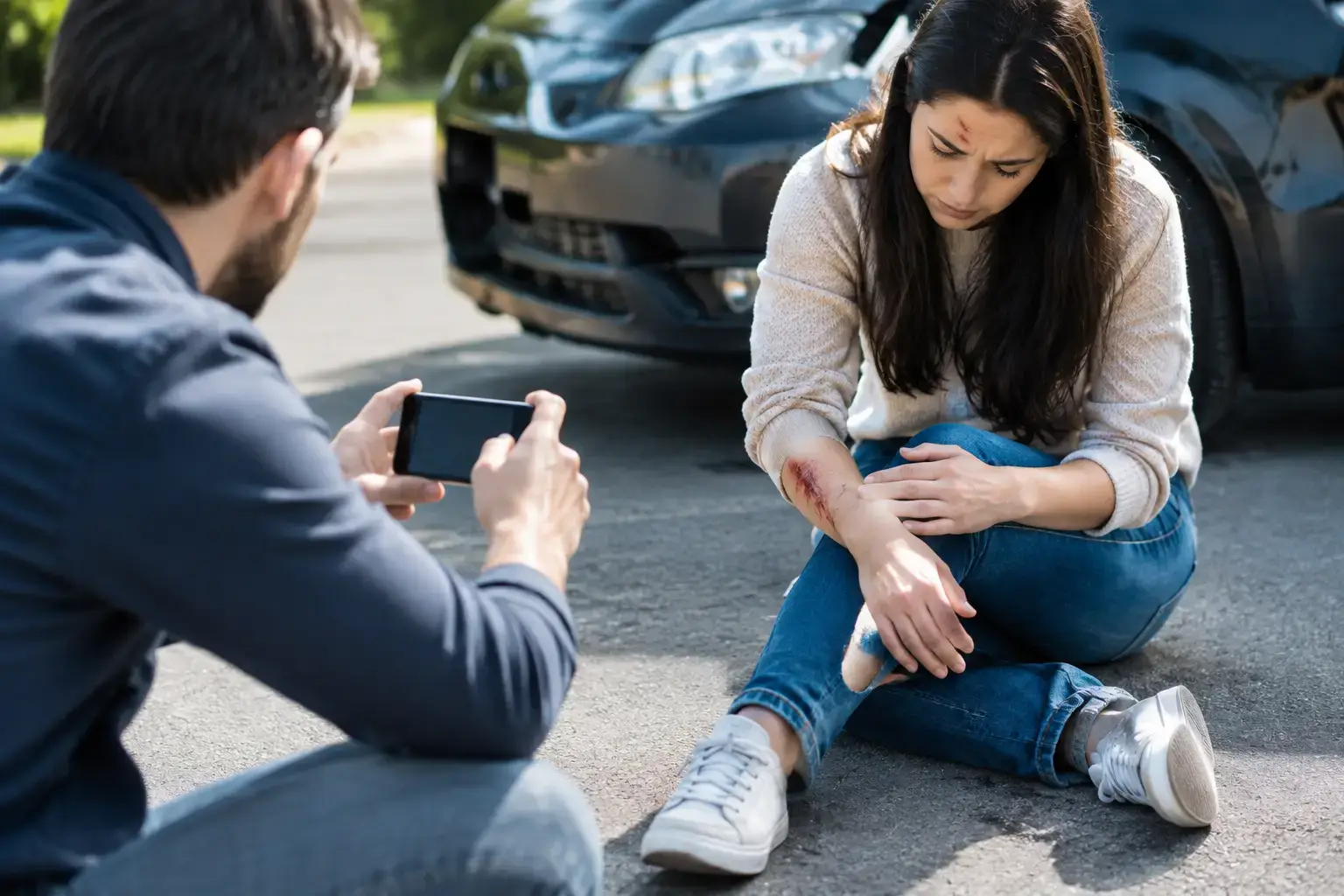
Start with the facts that can disappear quickly. If it is safe to do so, take photos and short videos of the intersection, crosswalk, traffic signals, vehicle positions, skid marks, debris, lighting, weather, and any blocked signs or sightlines. Photograph your visible injuries before bruising fades or swelling changes. Continue taking pictures in the days that follow, because many injuries become more apparent after the initial shock wears off.
Keep the clothing, shoes, backpack, glasses, phone, or other personal items involved in the collision. Do not wash, repair, or discard them. Torn fabric, damaged footwear, and a broken personal item can help show the force of impact and where it occurred.
If officers responded, ask how to obtain the crash report when it becomes available. Write down the responding agency, report number, officer name, and the date and location of the crash. A report can provide a useful starting point, but it may not capture every important detail. Your own records remain essential.
Write Down What You Remember
As soon as you can, write a personal account in your own words. Include where you were walking, the direction you were traveling, whether you used a crosswalk, the signal you saw, the vehicle’s direction, what the driver did before impact, and anything said afterward. Note whether you heard braking, saw a turn signal, noticed a driver looking away from the road, or observed poor visibility.
Do not guess. If you do not remember a detail, say so in your private notes. A careful, accurate account is more useful than one that tries to fill gaps with assumptions. Update the notes only to add newly remembered facts, and date each entry so the timeline stays clear.
Witnesses can be especially valuable in pedestrian cases. If someone stopped to help, record their name and phone number if possible. Nearby businesses, homes, or public areas may also have cameras, but footage can be overwritten quickly. A lawyer can take prompt steps to seek available video and identify other evidence before it is gone.
Create a Clear Record of Your Medical Condition
A pedestrian injury claim is not only about the collision itself. It is also about how the injuries affected your body, your independence, and your ability to live normally. Follow through with recommended medical evaluation and keep records from every visit, test, prescription, referral, and care provider.
Tell your medical providers about every symptom, even if it seems minor at first. Headaches, dizziness, sleep disruption, numbness, anxiety, concentration problems, and pain that limits movement can all matter. Some conditions are not immediately obvious at the crash scene. Reporting symptoms consistently helps create an accurate picture of what you are experiencing.
Keep a simple injury journal. You do not need polished writing. Brief entries can document your pain level, mobility limitations, missed work, activities you could not manage, and changes in sleep or mood. For instance, note if you needed help getting around, could not pick up a child, missed an important family event, or could no longer take your usual walk. These details show the human impact that bills alone cannot capture.
Be specific about timing. Record when symptoms began, whether they worsen after activity, and whether a treatment plan changes. Avoid exaggeration. Honest, consistent documentation is more persuasive and more protective of your credibility.
Preserve Financial Records and Daily Losses
The cost of a pedestrian crash extends beyond an initial hospital bill. Save all bills, receipts, statements, and explanations of benefits connected to your injuries. Keep records of transportation costs for medical visits, medication expenses, mobility aids, and other out-of-pocket losses caused by the collision.
If injuries cause you to miss work or reduce your earnings, preserve pay records and written confirmation of the time missed. If you are self-employed, keep calendars, invoices, canceled appointments, and other records that show the income disrupted by the crash. Financial losses are easier to establish when the supporting documents are gathered as they arise instead of reconstructed months later.
A family member may also be helping with transportation, household tasks, child care, or personal needs you handled before the crash. Make a note of that assistance. It may help demonstrate how significantly the injury affected your day-to-day functioning.
Be Careful With Insurer Communications
After a crash, the driver’s insurer may contact you quickly. The adjuster may sound concerned, but the company’s goal is often to limit what it pays. You can provide basic identifying information, but be cautious about giving a recorded statement, speculating about fault, or accepting an early settlement before you understand the full extent of your injuries.
Pedestrian cases can involve disputes about visibility, the crosswalk signal, speed, distraction, or whether a driver had enough time to stop. Texas fault rules can also make the details important. A person’s share of responsibility may affect recovery, and an insurer may look for statements it can use to shift blame. That is why your documentation should focus on facts, not accusations or conclusions.
Be equally cautious online. Do not post crash details, photos, location updates, or comments about how you feel. Insurers may search public social media content and take a single image or statement out of context. It is better to keep your recovery private and direct questions about the claim to your legal representative.
When Documentation Needs Legal Support
Some evidence is difficult for an injured person to obtain alone. Camera footage may be controlled by a business or government agency. A vehicle may contain data relevant to speed or braking. Witness accounts can fade. In a serious pedestrian collision, early legal involvement can help preserve evidence, organize medical and financial records, and deal with insurer pressure while you focus on healing.
A personal injury attorney can also evaluate every potential source of coverage and calculate losses that may not be obvious in the first few weeks. That includes current medical expenses, future care needs, lost earnings, physical pain, emotional distress, and the loss of activities that once made up an ordinary day.
At Feizy Law Office, injured Texans receive direct guidance through the evidence-gathering and claim process. You should not have to face a powerful insurer alone while trying to recover from a pedestrian crash.
A Strong Record Tells the Full Story
Documentation is not about turning your life into paperwork. It is about preserving the truth before memories fade, footage disappears, and an insurer tries to reduce a serious injury to a number on a spreadsheet. Keep what you can, write down what you remember, and get experienced legal support before important evidence slips away.


About Post Author
