

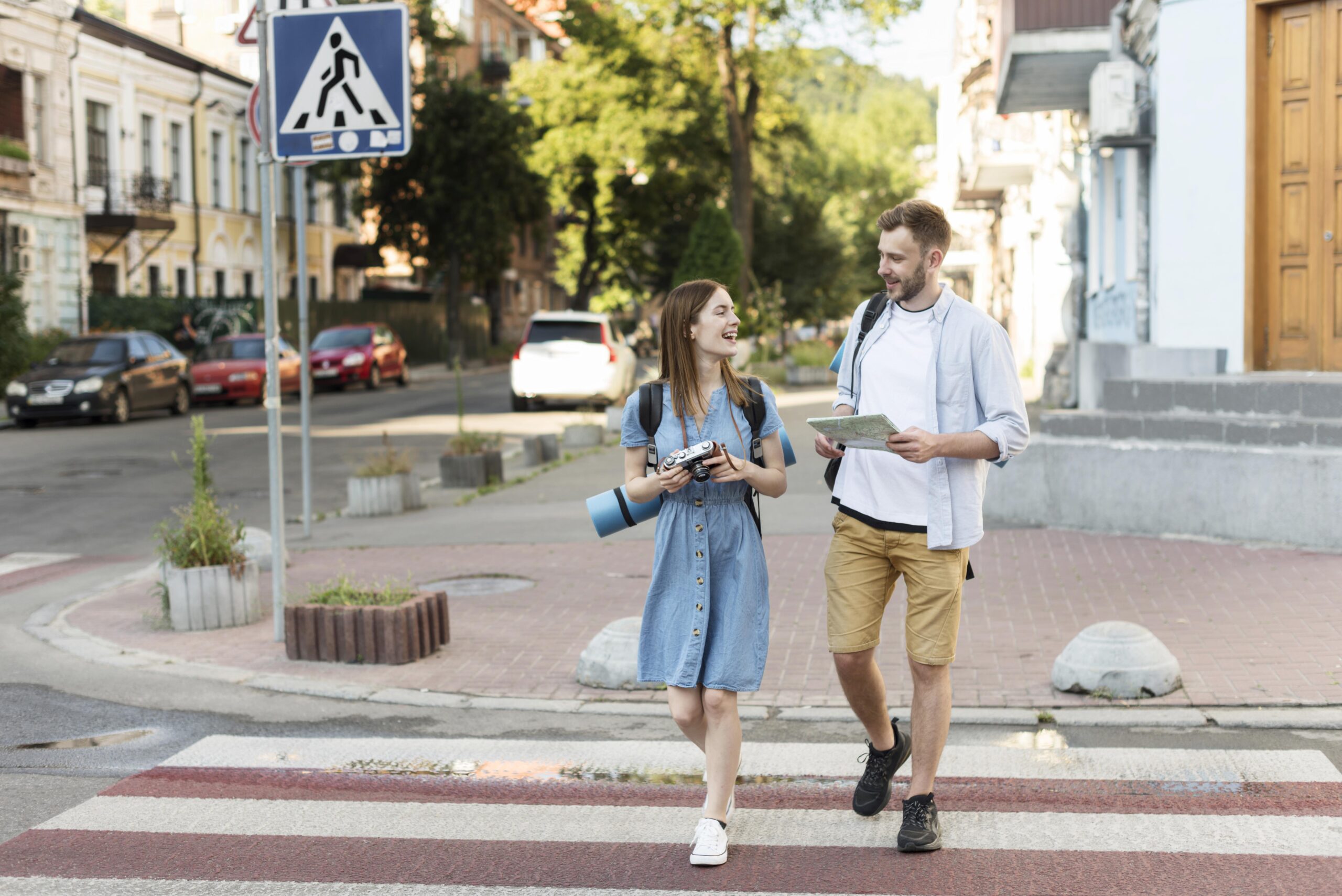
Pedestrian Rights and Responsibilities in Dallas
Introduction
Pedestrian rights are crucial to understand as walking remains one of the simplest and most common forms of transportation in Dallas, especially in urban centres where congestion, parking costs, and sustainability encourage people to leave their cars behind. However, pedestrians are among the most vulnerable road users. Understanding pedestrian laws in Dallas is essential for both safety and legal protection. From crosswalk safety in Texas to knowing how right of way rules work, every pedestrian benefits from knowing their rights and responsibilities.
This guide explains key pedestrian regulations, explores common safety issues, reviews accident statistics, and highlights what to do if an accident occurs. It also provides insight into driver obligations, penalties for jaywalking, and the role of urban planning in creating safer streets.
For pedestrians who want to protect their rights after an accident, consulting a knowledgeable Dallas personal injury law firm can provide vital legal support.
Pedestrian Laws in Dallas
Right of Way Rules
Right of way rules are central to pedestrian laws in Dallas. Generally, pedestrians have the right of way when crossing at marked or unmarked crosswalks, provided they follow traffic signals. Drivers must yield when pedestrians are lawfully using a crosswalk. However, pedestrians also have responsibilities, such as not suddenly stepping into the path of a vehicle that cannot reasonably stop.
At intersections with traffic control signals, pedestrians must obey “Walk” and “Don’t Walk” indicators. Crossing against signals is not only unsafe but can also reduce the pedestrian’s ability to claim damages in the event of an accident.
Jaywalking Penalties
Jaywalking—crossing outside of designated crosswalks or against traffic signals—remains a common issue in Dallas. Texas law allows police to issue fines for jaywalking, and penalties vary depending on the jurisdiction. More importantly, jaywalking can affect fault determination in accident cases. If a pedestrian was unlawfully crossing, they may be found partially responsible for the incident, reducing potential compensation.
Knowing these regulations helps prevent misunderstandings with both law enforcement and insurance companies. Pedestrians navigating these complexities may benefit from guidance provided by an experienced personal injury attorney in Dallas.
Crosswalk Safety in Texas
Crosswalks are designed to provide safe passage for pedestrians, yet accidents still occur. Safety at crosswalks requires cooperation between both pedestrians and drivers.
- Marked crosswalks: Typically located at intersections with visible striping, giving pedestrians clear right of way when signals permit.
- Unmarked crosswalks: Legally recognised at intersections even without painted lines, though drivers may not always expect pedestrian presence.
- Mid-block crossings: Often riskier as drivers may not anticipate sudden pedestrian movement outside intersections.
Pedestrians should remain alert, even when they have legal priority. Making eye contact with drivers, waiting for vehicles to stop, and avoiding distractions such as mobile phones are critical safety practices.
Traffic Signals and Driver Obligations
Traffic signals are more than just guidance—they are legally enforceable. Pedestrians must wait for the “Walk” signal before entering a roadway. Similarly, drivers must stop when traffic lights require it and yield to pedestrians lawfully crossing.
Driver obligations under Texas law include:
- Yielding to pedestrians at marked and unmarked crosswalks.
- Exercising caution when turning at intersections.
- Refraining from overtaking vehicles stopped at crosswalks, as another pedestrian may be crossing unseen.
- Maintaining awareness in areas with heavy foot traffic, such as school zones or downtown districts.
Failure to meet these obligations can lead to liability in the event of a pedestrian accident.
Accident Statistics and Trends
Pedestrian accidents in Texas remain a serious public safety issue. According to recent state data, Texas consistently ranks among the highest states in pedestrian fatalities. Dallas, as a major metropolitan area, contributes significantly to these numbers.
Key factors contributing to accidents include:
- High traffic volume in urban centres
- Poor visibility at night or in poorly lit areas
- Distracted driving and distracted walking
- Noncompliance with traffic signals
- Alcohol or substance impairment
These statistics highlight the importance of both pedestrian vigilance and improved urban planning to reduce risks.
Safety Tips for Pedestrians
While laws establish rights and responsibilities, personal safety often depends on proactive behaviour. Consider the following safety tips:
- Always use crosswalks where available.
- Wait for traffic signals before crossing.
- Make eye contact with drivers before stepping into the street.
- Wear visible clothing, especially at night.
- Avoid distractions such as mobile phones or headphones.
- Walk facing traffic when sidewalks are unavailable.
- Exercise extra caution in high-speed or high-traffic zones.
These practices reduce the likelihood of accidents and strengthen a pedestrian’s legal position if an incident occurs.
Legal Recourse After a Pedestrian Accident
When pedestrians are injured due to driver negligence, they have the right to pursue compensation. Legal claims may cover medical expenses, lost wages, pain and suffering, and future rehabilitation needs.
The process typically involves:
- Collecting evidence such as police reports, witness statements, and medical records.
- Filing an insurance claim against the driver’s policy.
- Negotiating a settlement or pursuing litigation if negotiations fail.
Pedestrians should also be aware that Texas follows a comparative negligence rule. This means compensation may be reduced if the pedestrian is found partially at fault, such as crossing against a signal.
Understanding the complexities of personal injury law requires professional guidance. Those seeking support can begin by contacting a dedicated legal team through Feizy Law’s contact page.
Urban Planning and Pedestrian Safety
Beyond individual responsibility and driver behaviour, city planning plays a crucial role in pedestrian safety. Dallas has invested in infrastructure improvements such as expanded sidewalks, pedestrian bridges, and enhanced lighting. However, challenges remain, particularly in high-traffic corridors.
Urban planning measures that promote safety include:
- Dedicated pedestrian zones in busy areas
- Better crosswalk visibility with signage and lighting
- Speed reduction measures in high-risk areas
- Integration of pedestrian-friendly designs in new developments
Continued efforts in this area can help reduce accident statistics and create a safer environment for all road users.
Conclusion
Pedestrians in Dallas hold important rights under Texas law but also share responsibilities to ensure safety. By understanding pedestrian laws in Dallas, practising caution at crosswalks, respecting traffic signals, and staying informed about crosswalk safety in Texas, individuals can reduce risks and better protect themselves.
Accidents can still occur despite precautions. In such cases, knowing your legal options is essential. Pedestrians should be prepared to seek compensation for injuries and losses, especially when accidents result from driver negligence. For those needing assistance, consulting an experienced legal team can help navigate the complexities of personal injury law and secure fair outcomes.
Frequently Asked Question
1. Do pedestrians always have the right of way in Dallas?
No. Pedestrians have the right of way at crosswalks and intersections when following traffic signals, but they must also avoid stepping into the path of moving vehicles.
2. Is jaywalking a criminal offence in Texas?
Jaywalking is not classified as a criminal offence but can result in fines. It may also impact liability in the event of an accident.
3. What happens if a pedestrian is partially at fault in an accident?
Under Texas’ comparative negligence system, a pedestrian’s compensation may be reduced based on their share of responsibility.
4. Are drivers always liable for pedestrian accidents?
Not always. While drivers have strict obligations, liability depends on the circumstances, including whether the pedestrian followed traffic laws.
5. When should a pedestrian contact a lawyer after an accident?
If injuries are serious, fault is disputed, or an insurance claim is denied, contacting a lawyer as soon as possible is advisable.


