

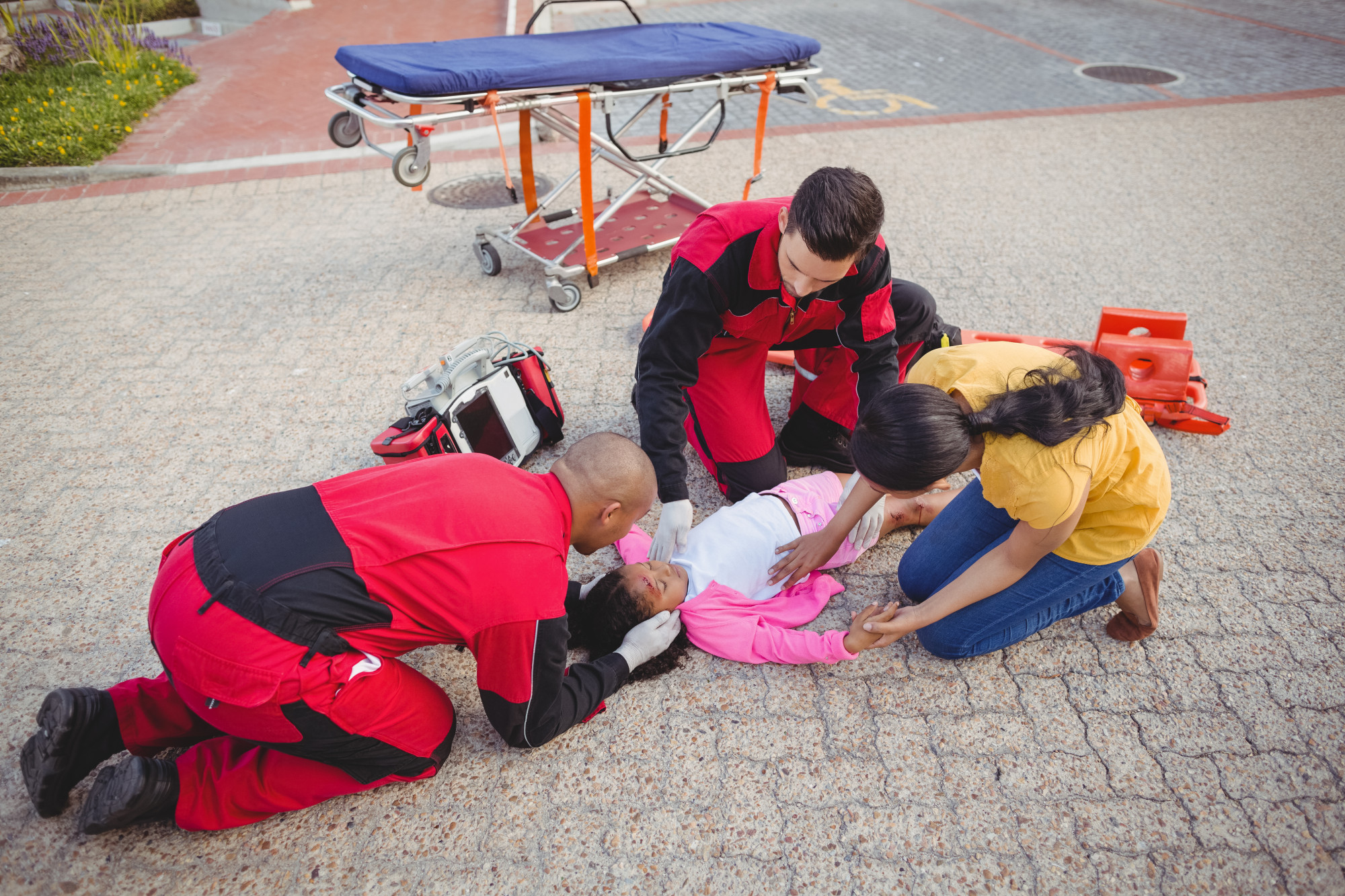
Common Locations for Slip and Fall Accidents in Dallas
Slip and fall accidents are among the most frequent causes of personal injuries in Dallas and across Texas. While these incidents may appear minor, they can result in severe injuries such as fractures, head trauma, or back problems that require ongoing care. Understanding slip and fall hotspots in Dallas and recognising the environments where accidents are more likely to happen can help individuals remain cautious and businesses take preventive measures. This guide explores the most common places where slip accidents occur in Texas, the contributing factors, and the steps property owners and visitors can take to reduce risks.
Why Identifying Slip and Fall Hotspots Matters
Slip and fall accidents are often preventable, yet they account for thousands of emergency room visits annually. In urban centres like Dallas, a wide variety of public and private spaces expose residents and visitors to risks. By understanding these high-risk areas, both individuals and businesses can work towards safer environments. Property owners are legally required to maintain reasonably safe premises, which includes addressing issues such as wet floors, uneven surfaces, and poor lighting. When these duties are neglected, victims may be entitled to legal recourse. For instance, individuals injured in retail environments such as supermarkets can seek guidance from a Walmart slip and fall attorney.Grocery Stores and Supermarkets
One of the most common locations for slip and fall accidents in Dallas is the grocery store. These environments are high-traffic areas with constant exposure to hazards. Common risks include spilled liquids, produce scattered on the floor, or freshly mopped aisles without warning signs. Patrons may not notice hazards while focusing on their shopping, which increases the likelihood of an accident. Staff training, regular inspections, and clear signage play a vital role in reducing these risks. For the public, staying alert to potential hazards and wearing footwear with good traction can make a significant difference.Parking Lots and Garages
Another prominent hotspot is the parking lot or multi-level parking garage. In Dallas, where residents frequently rely on cars, these areas see heavy daily use. Cracked pavement, potholes, oil spills, and inadequate lighting often contribute to accidents. Additionally, weather conditions such as rain can leave surfaces slick, particularly on smooth concrete. Businesses have a responsibility to repair damaged surfaces, improve drainage, and ensure adequate lighting throughout these facilities. Residents or visitors who suffer injuries in such environments may consider reaching out to a trusted legal resource like Feizy Law Firm to better understand their rights.Restaurants and Dining Establishments
Restaurants are another frequent source of slip and fall claims. Drinks, grease, or food debris often end up on the floor during busy service periods, creating unsafe conditions. Tile floors commonly found in restaurants can become particularly dangerous when wet. Servers and staff should be trained to address spills immediately, and warning signs should be used consistently. For customers, being cautious in crowded dining areas and near kitchens can help reduce risk. Restaurants also face liability when they fail to maintain safe conditions for guests.Office Buildings and Workspaces
Slip and fall accidents are not limited to public places. Office buildings and professional workspaces in Dallas also present risks. Hazards may include poorly maintained staircases, frayed carpeting, or recently cleaned floors without appropriate caution indicators. Employees spend long hours in these environments, and accidents here may fall under workplace injury claims. Employers should conduct routine safety checks, maintain adequate lighting, and encourage staff to report potential hazards. For employees injured in these circumstances, understanding the difference between workplace compensation and premises liability is crucial.Public Sidewalks and Walkways
Sidewalks and walkways, often managed by city authorities or private owners, are another high-risk location. Uneven concrete, tree root damage, or poor maintenance can lead to unexpected falls. In addition, Dallas weather can cause slick conditions after rainfall, especially in shaded or poorly drained areas. Because these areas are used daily by commuters, joggers, and pedestrians, prompt repairs and maintenance are critical. Legal responsibility may vary depending on whether the walkway is city-managed or privately owned. For individuals who have experienced a fall in such locations, professional advice can be obtained through contacting a lawyer.Common Hazard Factors
Across all these locations, certain recurring issues often contribute to accidents:- Wet floors from spills, leaks, or cleaning
- Uneven surfaces such as cracked tiles, loose carpeting, or damaged pavement
- Poor lighting that obscures hazards
- Cluttered walkways obstructing clear passage
- Improper signage after cleaning or maintenance
Preventive Measures for Businesses and Property Owners
Businesses and landlords play a central role in minimising risks. Proactive strategies include:- Conducting regular safety inspections
- Training staff to respond to hazards quickly
- Maintaining high standards of cleanliness
- Installing non-slip mats or flooring in wet-prone areas
- Ensuring parking lots and walkways are well lit
- Addressing maintenance issues promptly
Safety Tips for the Public
Individuals can also take steps to protect themselves in high-risk environments. Practical measures include:- Wearing non-slip, supportive footwear
- Staying alert in busy or poorly lit areas
- Avoiding distractions such as mobile phones when walking
- Using handrails where available
- Reporting hazards to staff or management immediately
Conclusion
Slip and fall accidents remain a widespread issue in Dallas, particularly in areas such as grocery stores, parking lots, restaurants, office buildings, and public sidewalks. With hazards ranging from wet floors to uneven pavement, awareness is key to prevention. For businesses, maintaining safe environments is both a legal duty and a practical safeguard against liability. For individuals, recognising high-risk areas and taking preventive actions can help reduce personal risk. In cases where negligence contributes to an accident, seeking legal guidance ensures victims understand their rights and options.Frequently Asked Questions
1. What are the most common slip and fall hotspots in Dallas?
The most frequent locations include grocery stores, parking lots, restaurants, office buildings, and public sidewalks.
2. What factors contribute most to slip and fall accidents?
Hazards such as wet floors, uneven surfaces, poor lighting, and inadequate signage are among the leading contributors.
3. Can businesses be held liable for slip and fall accidents?
Yes, businesses are responsible for maintaining safe premises. Failure to address known hazards may result in liability.
4. What should I do immediately after a slip and fall accident?
Seek medical attention, report the incident to the property owner or manager, document the scene, and consult a legal professional.
5. Are public sidewalks in Dallas the city’s responsibility?
Responsibility depends on ownership. Some sidewalks are city-managed, while others may be the responsibility of adjacent property owners.
Share Post: 


