

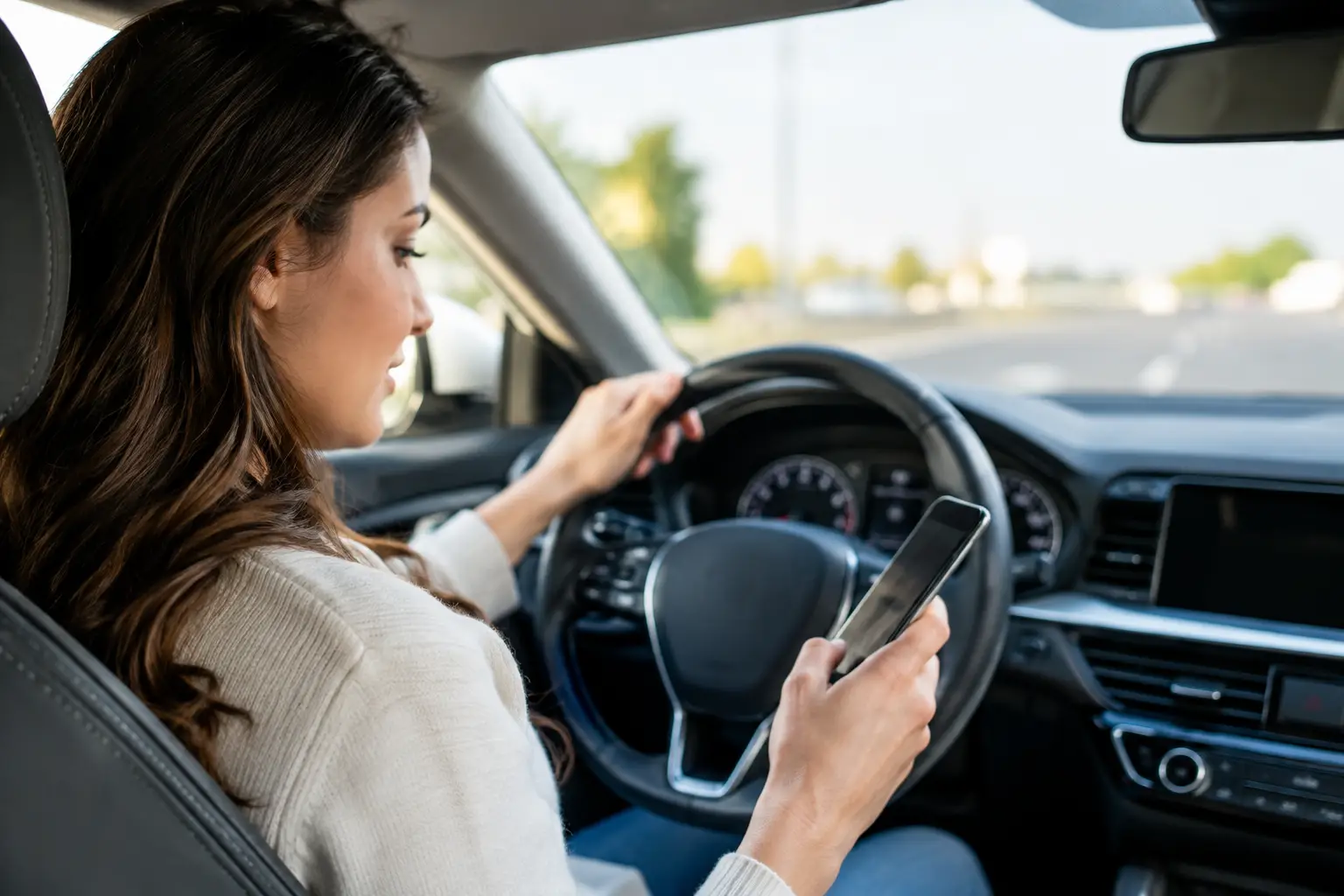
Best Evidence for Distracted Driving Claims
A driver looks down for a few seconds, traffic stops ahead, and a violent collision changes someone else’s life. The best evidence for distracted driving can turn that seemingly simple sequence into a clear account of negligence. It can also prevent an insurance company from dismissing the crash as unavoidable or trying to place blame on the injured person.
After a serious collision, evidence does not wait. Video may be overwritten, vehicles may be repaired or sold, and witnesses can become harder to locate. Taking the right steps early gives injured Texans a stronger foundation for pursuing compensation for their losses.
Why Distracted Driving Evidence Matters
Distraction is not limited to texting. A motorist may be looking at a navigation screen, changing music, eating, reaching for an object, adjusting controls, talking to a passenger, or focusing on something outside the vehicle. Any activity that pulls a driver’s eyes, hands, or attention away from safe driving can matter.
The challenge is that distraction often happens inside the other driver’s vehicle, where no one else can see it. A driver who caused a crash may deny using a phone or insist traffic moved too suddenly to avoid impact. That is why a strong claim rarely depends on one detail alone. It is built from evidence that fits together: the timing of the collision, physical damage, video, witness observations, electronic records, and the driver’s own statements.
Texas law prohibits reading, writing, or sending an electronic message while operating a motor vehicle, subject to limited exceptions. Still, proving that a violation occurred is only part of the larger picture. The central question in an injury claim is whether the driver failed to use reasonable care and whether that failure caused harm.
Best Evidence for Distracted Driving Cases
Phone and device records
Phone records can be among the strongest pieces of evidence, particularly when activity closely matches the time of the crash. Depending on the available records, they may show calls, text activity, or data use around the collision. They do not always identify precisely what appeared on a screen or prove where the phone was positioned, so they should be evaluated alongside other proof.
These records are not something an injured person should try to obtain from the other driver directly. An attorney can take timely legal steps to seek and preserve relevant information. Speed matters because digital data may not remain available indefinitely.
Phone records may be especially persuasive when they match a witness account, camera footage, or physical evidence showing that the driver did not brake or react before impact. A single timestamp can be disputed. Several facts pointing to the same conclusion are far more difficult for an insurer to ignore.
Vehicle data and infotainment information
Many newer vehicles store data related to speed, braking, steering, throttle position, seat belt use, and other operating conditions. This information can help reconstruct what occurred in the seconds before a collision. A lack of braking, for instance, may support the conclusion that a driver was not watching the road, although it does not by itself prove phone use.
Some vehicles also have connected systems or infotainment features that may preserve relevant information. The available data varies significantly by vehicle make, model, and condition after a crash. Protecting the vehicle before it is altered, dismantled, or otherwise made unavailable can be critical.
Video from nearby cameras
A short video clip can settle disputes that would otherwise become one person’s word against another’s. Footage may come from traffic cameras, businesses, residences, dash cameras, or other vehicles nearby. It can show lane position, traffic flow, signal changes, the driver’s head position in some situations, and whether the driver made any attempt to avoid the crash.
Video is often temporary. Some systems overwrite recordings within days. If you are physically able, write down the locations of cameras you noticed near the crash scene. Do not confront property owners or attempt to access private systems. A prompt request for preservation through an attorney is the safer and more effective approach.
Independent witness statements
Witnesses can provide details no photograph can capture. They may have seen a driver looking down, holding a phone, drifting between lanes, running a light, or failing to slow as traffic stopped. A passenger in another vehicle may have heard the at-fault driver admit to being distracted immediately after impact.
Names and contact information can be lost quickly when people leave the scene. If officers documented witnesses, that information may appear in the crash report. If someone spoke with you directly, record what they said and how to reach them as soon as you can. Memories naturally fade, and early statements tend to be more reliable.
Crash-scene photographs and physical evidence
Photos cannot show everything, but they preserve conditions that may disappear before a claim is reviewed. Images of vehicle positions, debris, skid marks, roadway conditions, traffic signals, and visible damage can help professionals determine how the collision unfolded.
The nature of the impact may also be revealing. A driver who strikes another vehicle at substantial speed without apparent braking may have been inattentive. That fact has to be interpreted carefully because mechanical failure, road conditions, or sudden emergencies can affect a driver’s response. Physical evidence is strongest when it is paired with other credible information.
Statements made after the collision
What a driver says in the minutes after a crash can matter. An apology such as “I was looking at my phone” or “I did not see you stop” may be highly relevant. If you hear an admission, write down the exact words, the time, and who else was present. Do not argue with the driver or pressure them into a statement.
Your own words matter, too. Stress and pain can make it difficult to think clearly at the scene. Stick to the facts when speaking with officers and avoid guessing about details you did not see. You do not need to accept blame just because the other driver or an insurer suggests shared fault.
What to Do After a Suspected Distracted Driving Crash
Your immediate safety comes first. Call 911, seek emergency assistance when needed, and move out of danger if it is safe to do so. If you can document the scene, take photos and note nearby cameras, witnesses, and anything you observed about the other driver’s behavior.
Preserve what you already have. Keep your photographs, videos, call logs, clothing damaged in the collision, and written notes in one place. Avoid posting details, footage, or opinions about the crash on social media. An insurer may take a statement out of context or use an incomplete post to challenge the seriousness of your injuries.
You should also be cautious when speaking with the other driver’s insurance company. Their representatives may sound concerned, but their purpose is to protect the company’s financial interests. A quick settlement offer may arrive before the full impact of the collision is understood and before all available evidence has been secured.
How an Attorney Can Protect the Evidence
A distracted driving claim can require fast action and detailed investigation. An attorney can pursue preservation of vehicle data and relevant records, identify possible video sources, review the crash report, interview witnesses, and work with qualified collision reconstruction professionals when the facts warrant it.
Just as important, legal representation shifts the burden of dealing with insurers away from an injured person who is already coping with the consequences of a crash. The goal is not to make assumptions about distraction. It is to develop the facts carefully and demand accountability when the evidence shows a driver chose not to pay attention.
Feizy Law Office helps injured people throughout the Dallas-Fort Worth area investigate serious crashes, protect key evidence, and pursue the compensation they need to move forward. A consultation can help you understand what evidence may still be available and what steps should be taken now.
The hours after a collision can feel chaotic, but the facts of what happened should not be allowed to disappear. Preserve what you can, avoid letting an insurance company control the narrative, and get experienced guidance before critical evidence is gone.


About Post Author
