

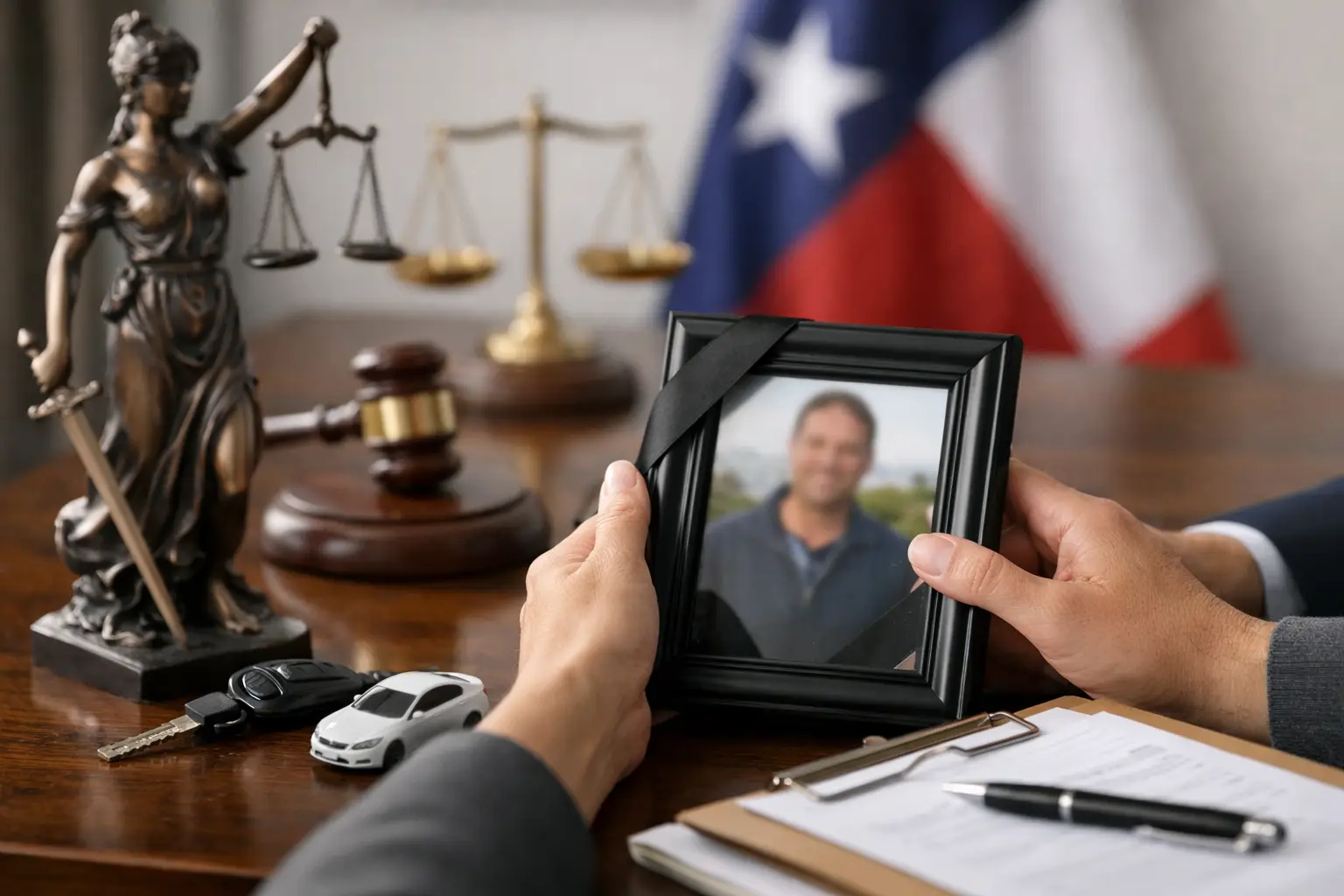
How to Build a Wrongful Death Case in Texas
A fatal accident changes a family’s life in an instant. While you are grieving, evidence can disappear, witnesses can become harder to reach, and insurance companies may begin looking for ways to limit what they pay. Knowing how to build a wrongful death case can help your family protect its right to pursue accountability and compensation after a preventable loss.
A wrongful death claim is not just about proving that an accident happened. It is about showing that another person, company, or responsible party acted carelessly or failed to take reasonable precautions, and that failure caused your loved one’s death. The process requires prompt action, careful documentation, and a clear understanding of the losses your family now faces.
When a Fatal Accident May Support a Claim
Wrongful death cases can arise from many types of fatal incidents, including car crashes, commercial truck collisions, motorcycle wrecks, pedestrian accidents, dangerous property conditions, and other acts of negligence. The circumstances matter. A driver may have been speeding, distracted, impaired, or violating a traffic rule. A trucking company may have ignored safety obligations. A property owner may have failed to correct a known hazard.
The central question is whether someone’s unreasonable conduct contributed to the death. More than one party can be responsible. For example, a serious collision may involve a careless driver, the company that owned a vehicle, or a business whose unsafe practices created the risk. Identifying every responsible party can make a significant difference when the available insurance coverage is limited.
Texas law generally allows a deceased person’s surviving spouse, children, and parents to pursue a wrongful death claim. Each family’s circumstances are different, and the right approach depends on the relationship involved, the facts of the accident, and the losses suffered by surviving family members.
How to Build a Wrongful Death Case Before Evidence Is Lost
The strongest wrongful death cases are built on evidence gathered early and preserved carefully. That does not mean a grieving family must investigate the accident alone. It means the first days and weeks should be treated with urgency, because key proof may not remain available for long.
A lawyer can move quickly to identify what happened and prevent critical information from being erased or altered. Depending on the accident, useful evidence may include:
- Police reports, photographs, video footage, and accident-scene measurements
- Statements from eyewitnesses and first responders
- Vehicle data, maintenance records, and company safety records
- Phone records or other evidence of driver distraction
- Medical records documenting the injuries that led to the loss
- Financial records showing the support and services your loved one provided
Some evidence is especially time-sensitive. Traffic camera footage may be overwritten. Nearby businesses may delete surveillance video. A vehicle involved in a crash may be repaired, sold, or destroyed. In a truck accident, electronic data and company records can provide important answers about speed, braking, hours on the road, and safety practices, but those records must be sought promptly.
Your own records also matter. Keep copies of communications from insurance companies, invoices related to the loss, and documents showing your loved one’s income and household contributions. It can also help to write down what you remember about the days after the accident, including conversations with witnesses or officials. Details that feel clear now can become harder to recall later.
Proving Responsibility Requires More Than a Report
An accident report can be valuable, but it is rarely the entire case. Reports may contain incomplete information, conflicting accounts, or initial conclusions that do not tell the full story. Insurance carriers know this. They may point to uncertainty in the report or argue that your loved one was partly responsible.
To build a wrongful death case effectively, the evidence must tell a complete, supported story. That may involve reconstructing the collision, reviewing video, examining vehicle damage, interviewing witnesses, and comparing the available evidence against the responsible party’s actions. In some cases, specialists are needed to explain how and why the accident occurred.
Texas follows a proportionate responsibility system. If an insurer claims that the person who died contributed to the accident, it may try to reduce the amount it owes. A careful investigation is often the best response to unfair blame. Families should be cautious about accepting an insurer’s version of events before the evidence has been fully reviewed.
Showing the Full Impact on Your Family
A wrongful death claim should reflect more than the immediate expenses caused by a fatal accident. Families can pursue compensation for economic harm, such as lost income, lost benefits, and the value of support their loved one would have provided. They may also seek compensation for the emotional losses that follow the death, including loss of companionship, guidance, care, and support.
No amount of compensation can replace a parent, spouse, or child. But financial recovery can help a family keep its footing after a devastating event. It can address the practical burdens that often arrive at the worst possible time, while holding the responsible party accountable for the harm caused.
The value of a case depends on the evidence, the insurance coverage available, the family’s losses, and the degree of negligence involved. Be wary of anyone who promises a specific result before reviewing the facts. A serious legal advocate should explain the strengths, challenges, and likely path forward with honesty.
Do Not Wait for the Insurance Company to Lead
Insurance companies may contact a family soon after a fatal accident. Their representatives may sound sympathetic, but their role is to protect the company’s financial interests. An early settlement offer may arrive before the family understands the full extent of its losses or before all responsible parties have been identified.
You do not have to give a recorded statement, sign a broad release, or accept an offer simply because an insurer says it is time-sensitive. Before making decisions that could affect your family’s rights, speak with an attorney who represents injured Texans and grieving families, not the insurance company.
There are also deadlines for taking legal action. In Texas, a wrongful death claim generally must be filed within two years of the death, although certain circumstances can affect that timeframe. Claims involving a government entity can have much shorter notice requirements. Waiting can put both evidence and your family’s ability to recover compensation at risk.
What an Attorney Can Handle for Your Family
After a fatal accident, families should not have to spend their energy chasing records, arguing with insurers, or trying to determine who is responsible. A wrongful death attorney can take over the critical details: preserving evidence, investigating the accident, calculating damages, communicating with insurers, and preparing the claim for negotiation or court if necessary.
At Feizy Law Office, families receive direct, attentive guidance through this difficult process. The goal is to give you clear answers, protect your rights, and pursue the compensation your family deserves while you focus on one another.
If your loved one was killed because another person or company failed to act safely, acting early can protect the truth of what happened. A conversation with an experienced wrongful death attorney can give your family a clearer path forward when the next step feels impossible.


About Post Author
