

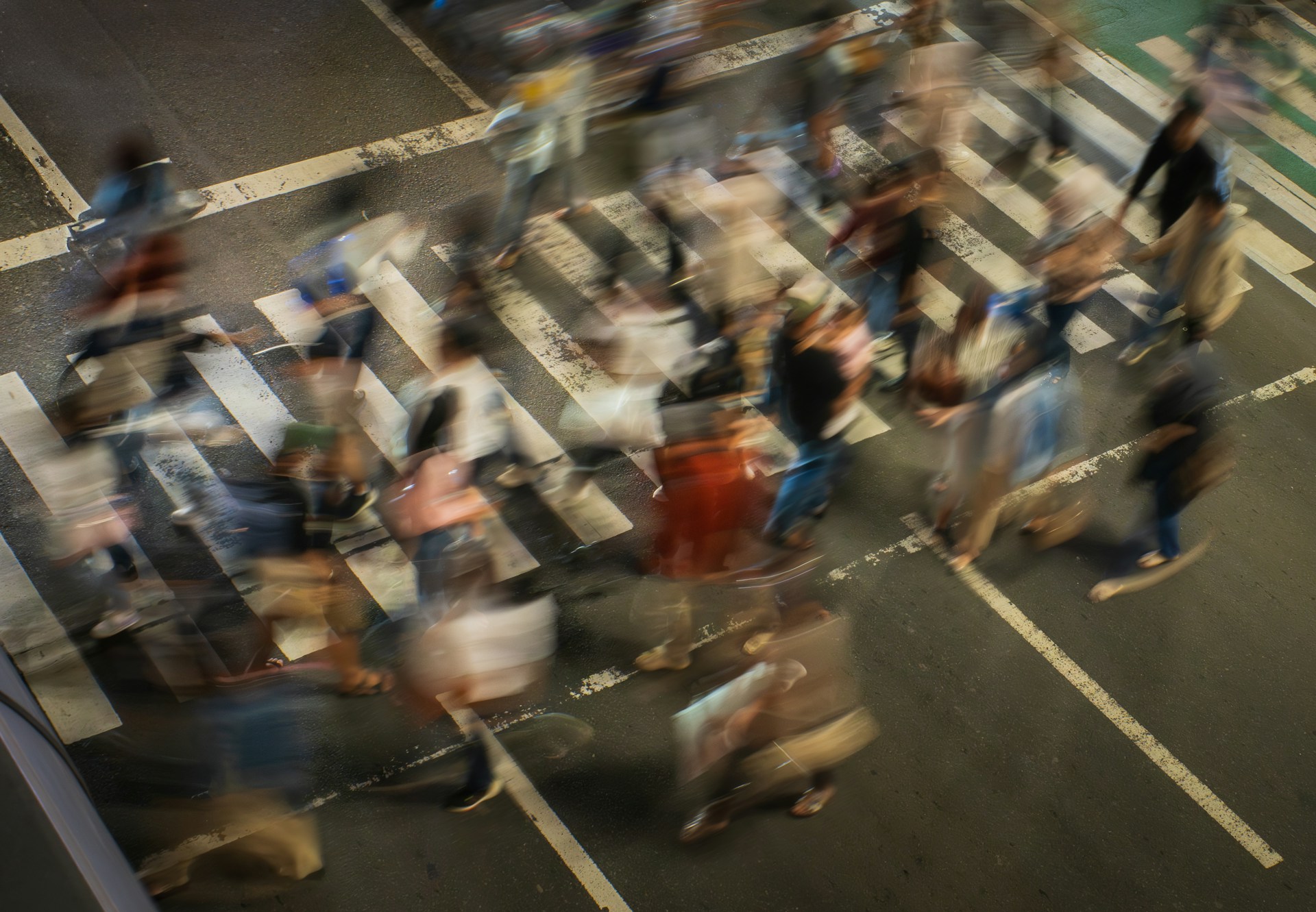
Understanding Pedestrian Crosswalk Accident Claims in Frisco
Stay Safe and Protect Your Rights After a Crosswalk Crash
Getting hit while walking in a crosswalk is scary, painful, and confusing. One minute you are stepping off the curb on a sunny afternoon, maybe near a school, park, or shopping center. The next minute, you are on the ground, trying to figure out what happened and how badly you are hurt. In busy Frisco areas like Preston Road or Dallas Parkway, this can happen fast.
Pedestrian crosswalk crashes are different from car wrecks between two vehicles. As a walker, you do not have a seat belt, airbag, or metal frame to shield you. Even a slow-speed impact can cause serious injuries that change your daily life, your ability to work, and your family plans.
We want to explain what usually happens after a crosswalk crash in Frisco, how Texas law looks at these accidents, and how a pedestrian crosswalk accident attorney can help protect your rights while you focus on healing.
How Crosswalk Accidents Happen in Frisco
Frisco has many spots where people and cars meet. Some areas see more problems than others. Common locations include:
- Busy intersections along Preston Road
- Crossings near Dallas Parkway and Tollway access roads
- School zones and neighborhood crosswalks during drop-off and pick-up times
- Crosswalks near shopping centers, gyms, and restaurants
Drivers in these places are often in a hurry. Some are checking GPS, texting, or trying to beat a yellow light. Common driver mistakes that lead to crosswalk crashes include:
- Failing to yield to someone already in the crosswalk
- Rolling through a right turn on red without fully stopping
- Speeding up to catch a light instead of slowing down
- Looking at a phone or in-car screen instead of the road
- Not seeing someone at dusk or when the sun is low and bright
Pedestrians can also make choices that affect a claim. For example:
- Crossing outside the painted crosswalk
- Wearing dark clothing at night or in low light
- Starting to walk late in the signal cycle
- Misreading a walk signal or countdown timer
These things can affect who is found at fault, but they do not always erase a pedestrian’s right to pursue a claim. Texas law often looks at how both the driver and the pedestrian acted, not just one side.
Texas Laws That Shape Your Crosswalk Claim
Texas traffic laws set out when drivers must stop for pedestrians. In general, drivers must:
- Yield to pedestrians in a marked crosswalk when there is no traffic signal
- Obey walk and do not walk signals at intersections with lights
- Slow or stop when a person is in their lane, or close enough to be in danger
Flashing beacons, school zone signs, and crossing guards can also affect fault. When a driver ignores these warnings, that can point toward driver responsibility.
Texas follows a rule called comparative negligence with a 51 percent bar. In simple terms:
- Each party can be assigned a percentage of fault
- Your money recovery can be reduced by your share of fault
- If you are found more than 50 percent at fault, you cannot collect damages
Insurance companies like to use this rule to cut down what they pay. They may try to argue that you stepped out too fast, were distracted by your phone, or should have seen the car coming. This is one reason careful investigation and legal support can matter.
There are also strict time limits for filing a case in court. Most injury claims and wrongful death claims in Texas must be filed within a set number of years from the date of the crash. Waiting too long can mean losing the right to bring a claim at all. Acting early also helps preserve:
• Surveillance or dashcam video that may be erased or recorded over
• Witness memories and contact information
• Physical evidence at the scene before it changes
Building a Strong Pedestrian Crosswalk Injury Case
After a crosswalk crash, it can be hard to think clearly. Still, the details captured in the first hours and days can make a big difference later. Helpful evidence includes:
- Photos or video of the scene, including the crosswalk, signals, cars, and any skid marks
- Pictures of your injuries and damaged items like clothing, shoes, or a bag
- The location of nearby cameras, such as store security or traffic cameras
- Names and contact details of people who saw what happened
Many crosswalk cases involve questions about timing. Was the walk signal on? Did the driver run a red light or stop sign? Signal timing data and video can often help answer these questions.
It is also important to document how the crash has affected your body, your work, and your home life. You may need to gather:
- ER and urgent care records
- Follow-up visit notes and test results
- Physical therapy and rehab notes
- Records showing missed work, reduced hours, or job changes
- A simple journal about pain, sleep problems, or how tasks like driving, caring for children, or walking for long periods have changed
In more serious cases, expert support can be key. Accident reconstruction specialists may study:
- Vehicle damage
- Skid marks and debris
- Crosswalk layout and sight lines
- Signal timing and traffic flow
Medical and economic experts may help explain how long recovery could take, what kind of future care you may need, and how your injuries may affect your ability to earn income over time.
How a Pedestrian Crosswalk Accident Attorney Helps You
When you are hurt, dealing with insurance calls, forms, and questions can feel overwhelming. A pedestrian crosswalk accident attorney can step in early to protect your case by:
- Handling calls and letters from insurance companies
- Preventing you from giving recorded statements that may be used against you
- Reviewing any settlement offers to see if they truly reflect your losses
On the investigation side, an attorney’s team can work to collect and review key information, such as:
- Police reports and any bodycam footage
- Traffic light timing data for the intersection
- Cell phone records when distracted driving is suspected
- Business or home surveillance video from around the crash site
Insurance companies often try to shift blame onto the pedestrian. Careful review of the evidence can help push back on unfair claims that you were mostly at fault.
If the case does not settle fairly, an attorney can prepare it for trial. That includes organizing medical records, working with experts, planning how to explain what happened in simple terms, and presenting your story to a jury. Often, being ready and willing to take a case to court encourages more reasonable settlement discussions.
Taking the Next Step Toward Recovery with Feizy Law
Pedestrian crosswalk crashes around Frisco, especially in busy spring and summer months when more people are outside, can leave families shaken and unsure where to turn. Before dealing further with an insurance adjuster on your own, it can help to know your rights, understand how Texas law views your situation, and learn what options you may have.
At Feizy Law Office, we focus on people hurt in motor vehicle and pedestrian accidents in the Dallas and Frisco area. Our approach is client-centered, with direct access to attorney Nick Feizy and a clear understanding of local roads, intersections, and traffic patterns. When you are ready to talk through what happened in your crosswalk crash, we are here to listen, explain the process in plain language, and help you decide the path that makes sense for you and your family.
Protect Your Rights After a Crosswalk Accident
If you were hurt while walking or in a crosswalk, you do not have to face insurance companies or mounting medical bills alone. At Feizy Law Office, our pedestrian crosswalk accident attorney can evaluate your case, explain your options, and pursue the compensation you deserve. We take the time to answer your questions, gather critical evidence, and handle negotiations from start to finish. To talk with our team about your next steps, simply contact us today.


About Post Author
